Chapt.1-Foreword
Chapt. 2-1927 to 1901.
The Ballad of Lucky Lindbergh by Nancy Turner (June 16, 1927); The Hanging Lamp by Melcena Denny (Dec. 30, 1926); The Finding of the Chuckwalla by Mary Austin (Dec. 9, 1926); The Boy from Plymouth Notch by Paul Leach (Nov. 18, 1926); A Rock River Fugitive by Mary Roberts Rinehart (Nov. 11, 1926); Unknown by Harford Powel, Jr (Nov. 11, 1926); The House the Captains Built by Robert Coffin (Oct. 21, 1926); Better than a Cutlass by Ralph Paine (April 1, 1926); My Greeting to Youth's Companion by Jane Addams (Feb. 4, 1926); Jane by Gamaliel Bradford (Jan. 1, 1925); Two Gold Slugs from Oregon by C. A. Stephens (Jan. 24, 1924); An Heroic Historian-an editorial (Oct. 25, 1923); After Lenine, who? (June 28, 1923); Mussolini, Dictator of Italy (Nov. 30, 1922); Dragon Fly by Hilda Conkling (Aug. 17, 1922); Thursday by T. Morris Longstreth (June 8, 1922); Russia and Communism (Nov. 4, 1920); Kipling's Typewriter (Aug. 21, 1919); Sermons in Stones by Andy Adams (Feb. 1, 1917); An Episode of War by Stephen Crane (Mar. 16, 1916); The Lusitania (May 27, 1915); The Fish Hawk by George Sterling (Dec. 3, 1914); A Green Mountain Amazon by M. E. Baker (Nov. 19, 2014); Harvests by Odell Shepard (Oct. 8, 1914); Heir to the Austrian Throne Killed (July 16, 1914); Tallentyre's Cross by Arthur Pier (May 29, 1913); Income Tax (Feb. 27, 1913); The Expansion of Russia (Feb. 13, 1913); Reluctance by Robert Frost (Nov. 7, 1912); Envy by Deems Taylor (May 23, 1912); show more The Old Squire's Earthquake by C. A. Stephens (Feb. 29, 1912); The Humorist's Honor by M. A. DeWolfe Howe (Jan. 5, 1911); Memoirs of a White Indian by J. W. Schultz (Nov.3 & 24, 1910); Moving Pictures (Aug. 4, 1910); The Automobile (Feb. 3, 1910); The Patriot by Don Marquis (June 24, 1909); The 'Mayor' of Marseilles by Ira Kent (May 6, 1909); The Night the Stars Fell by C. A. Stephens (Apr. 18, 1907); German Prosperity (Oct. 11, 1906); On Some Mental Effects of the Earthquake by William James (June 7, 1906); A 'Freeze-out' by Henry /webster (Apr 26, 1906); Ghost House by Robert Lee Frost (Mar. 15, 1906); Ben Franklin's Head by M. A. DeWolfe Howe (Jan. 25, 1906); The Pests of the Swamp by Fisher Ames, Jr (June 8, 1905); Communism (Mar. 16, 1905); The Condor by Robinson Jeffers (June 9, 1904); Little Squatters by Hamlin Garland (June 9, 16 & 23, 1904); The Girl from Downtown by Susan Glaspell (Apr. 2, 1903); Her Lonesomeness by James Whitcomb Riley (Feb. 26, 1903); Coeducation (Jan. 1, 1903); On the Flank of the Army by Winston Churchill (Dec. 18, 1902); The Powers of the Crown, an excerpt from an article by James Bryce, M.P. (Nov. 20, 1902); The Night Express by Willa Cather (June 26, 1902); The Troubles in Russia (May 22, 1902); Bulger's Friend by O. Henry (Dec. 26, 1901); The Last Poacher by Jack London (Mar. 14, 1901); Chink--the Development of a Pup by Ernest Seton-Thompson (Jan. 17, 1901).
CHAPTER 3 - Grandma was a Gibson Girl, 1900-1876
Friends by EDith Wharton (Aug. 23, 30, 1900); The Hairbreadth Escape of Jim Leonard by William Dean Howells (May 10, 1900); The Stage Tavern by Sarah Orne Jewett (Apr. 12, 1900); How I Went to the Mines by Bret Harte (Nov. 23, 1899); Itzig: a 'Reporter's Boy' by J. L. Steffens (Apr. 14, 1898); How to Look by Oliver Wendell Holmes (Jan. 2, 1896); How to Tell a Story by Mark Twain (Oct. 3, 1895); The Bold 'prentice by Rudyard Kipling (Sept. 19,1895); The Isle of Boredom by Ella Wheeler Wilcox (Oct. 25, 1894); A Thought for Washing Day by Julia Ward Howe (Dec. 1, 1892); Hearts-ease by Emily Dickinson (May 18, 1891); Life by Emily Dickinson (July 16, 1891); A Nameless Rose by Emily Dickinson (Dec. 24, 1891); Autumn by Emily Dickinson (Sept. 8, 1892); In September by Emily Dickinson (Sept. 28, 1892); Saturday by E. Dickinson (Sept. 22, 1892); National School Celebration of Columbus Day: the official program (Sept. 8, 1892); Unrewarded Heroism by C. M. Thompson (Mar. 24, 1892); Looking Back on Girlhood by Lucy Larcom (Jan. 21, 1892); Looking Back on Girlhood by Sarah Orne Jewett (Jan. 7, 1892); Tales Told by a Ranch Fireside by T. Roosevelt (July 15, 1891); Going for the Doctor by Hamlin Garland (Mar. 12, 1891); Long Ago by Eugene Field (May 29, 1890); My White Elephant by P. T. Barnum (May 15, 1890); A Brave Middy by Maria M. Cox (Mar. 6, 1890); Christmas Carol by Phillips Brooks (Dec. 19, 1889); Adventures of Pierre Radisson by Frances Parkman (Apr. 4,11, 1889); Just the Boy That's Wanted: in Journalism by E.L.Godkin (Feb. 21, 1889); Just the Boy Wanted: in the Law by Oliver Wendell Holmes,Jr (Feb. 7, 1889); The Bird of Thanksgiving by Bradford Torrey (Nov. 29, 1888); The Conway Cabal by John Fiske (Nov. 8, 1888); The Future of the English-Speaking Races by W.E.Gladstone (Nov.1, 1888); But One Enemy by Celia Thaxter (Oct. 4, 1888); Drummer Boys in a Black Regiment by Thomas W. Higginson (Sept. 27, 1888); Young Confederates by John S. Mosby (Sept. 6, 1888); Recollections of My Childhood by Louisa M. Alcott (May 24, 1888); Woodie Thorpe's Pilgrimage by J.T.Trowbridge (Dec. 22, 1887); My Year in a Log Cabin by W.D.Howells (May 12, 1887); The Study of English Literature by H.Taine (Jan. 13, 1887); The Victims of Circumstance by Wilkie Collins (Aug. 19, 1886); Down Stream by Louise I.Guiney (June 3, 1886); Thorkel's Otter by Hjalmar H.Boyesen (Mar. 11,1886); Manners of Girls by the editors of Don't (Dec. 31, 1885); Uncle Remus's Wonder Story by Joel C.Harris (Sept.10,1885); The Song of the "Star-spangled Banner" by James Parton (May 28,1885); A Story of Mrs. Browning by James T, Fields (Apr. 2,1885); The Rival Bonfires by C.A.Stephens (Oct.16,1884); A Night at the Boston Club by Charles Mackay (Oct. 2,1884); Valley and Peak by Lucy Larcom (Oct. 2,1884); Longfellow and Poe (Apr. 3,1884); Concord Social Amusements (Dec. 20,1883); Early Spring by Alfred Tennyson (Dec. 13,1883); Intaglios by Thomas Bailey Aldrich (July 5,1883); Nathaniel Hawthorne's College Days by G.P.Lathrop (Feb. 13,1883); How "Uncle Tom's Cabin" was Written by James Parton (Nov. 30,1882); Reminiscences of Ralph Waldo Emerson by Louisa M. Alcott (May 25,1882); Granted Wishes by John Greenleaf Whittier (Jan. 4,1882); Work by Oliver Wendell Holmes (Jan. 13,1881); Maiden and Weathercock by H.W.Longfellow (May 27,1880); The Young Pilot (Mar. 18,1880); A Warning by Charles E. Craddock (Mar. 6,1879); Another Day by Thomas Carlyle (Apr. 18,1878); King Solomon and the Ants by John G. Whittier (May 24,1877); The Caterpillar and the Butterfly by W.Cullen Bryant (Feb. 8,1877); Funny Epitaphs (June 1,1876).
CHAPTER FOUR - The Kids in the Currier & Ives Print: The Age of our Great-Grandparents (1875-1850).
Auction of a White Child y Mrs. A.H.Leonowens (Nov. 23,1875); Communists in America (Feb. 12,1874); Dandy Lyons Visit to New York by Rufus Sargent (June 5,1873); The Red Heifer by Ruth Chesterfield (Nov. 2,1871); The Standard by Charles Kingsley (Dec. 29,1870); A Spittoon with a Moral to It (July 14,1870); American Slang (Feb. 10,1870); Uncle Smiley's Boys by Louisa M. Alcott (Feb. 3,1870); A Parlor Scene in Nahant in 1844 (Sept. 16, 1869); Lafayette's Visits (May 13,1869); The Youth's Companion Four-and-Twenty Years Ago by Mary A. Cragin (Mar. 4,1869); The Youth's Companion: More Years Ago than Four-and-Twenty (Apr. 8,1869); Useless Adeline (Jan. 7,1869); Narrow Escape (Oct. 15,1868); How Bill Foster Escaped (Nov. 7, 1867); The Scout and His Midnight Ride (Dec. 22, 1864); Badges by Harriet Beecher Stowe (Apr. 14,1864); How to Ruin Your Health (Sept. 12,1861); The Cabin Boy Adrift by Hawser Martingale (Sept. 12,1861); Schools Out West (June 6,1861); Franklin and the Loafer (Feb. 14,1861); The Mock Prisoner: A Story of the Revolution (Feb. 7,1861); Eighteen Things (Sept. 27,1860); Daniel Webster's First Case (Sept. 20,1860); Susa White's Cosset (Sept. 6,1860); A Curiosity (Dec. 15,1859); Kind Words Can Never Die (Dec. 8,1859); Family Comfort (Nov. 10,1859); Balloon Excursions (July 28,1859); [Washington's Visit] (June 30,1859); The True Lady (May 12,1859); A Young Criminal (Feb. 24,1859); The Old Hermit of the Lake (Feb. 17,1859); [A French Epitaph] (Jan. 13,1859); The Tempest [by James T. Fields] (Aug. 19,1858); A Fable [by Ralph W. Emerson] (May 28,1857); Night by H.W.Longfellow (Apr. 29,1857); Little Things [by Francis S. Osgood] (Aug. 11,1853); Winter is Coming (Dec. 18,1851); A 100 Years Ago (Dec. 9,1858); Bushnell, the Bear Hunter (Nov.11,1858); Facts in Human Life (Feb.11,1858); Laugh On (Sept.10,1857); How Ale Strengthened Him (Aug.13,1857); Kitchen Memoranda (May 14,1857); The Mormon Wife (Apr.30,1857); The Mind the Standard (Apr.23,1857); Little Graves (Apr.9,1857); Domestic Education in America (Apr.9,1857); The Young Smoker (Mar.26,1857); A Mermaid (Nov.13,1856); Franklin's Religion (Oct.30,1856); The Unwelcome Piece of Pie (June 19,1856); The Oriental Villa (May 1,1856); First Children's Paper (Apr.17,1856); The Telegraph Fire Alarm (Aug.2,1855); A Day at Idlewild by J. Meadows (July 12, 1855); Dipping (Jan.4,1855); [A Clergyman to Female Parishioners] (Dec.7,1854); A Mississippi Flat-Boat (Oct.12,1854); The First Surprise (Dec.29,1853); Bitter Fruits (Jan.5,1854); Dueling (Aug.11,1853); Death of John Adams (Aug.12,1852); Story of the Sea by Mrs. E.Godwin (July 24,1851); Love and Health by Miss C.M.Sedgwick (May 29,1851).
CHAPTER 5 - The Time of Peculiar Care for Youth: The Age of our Great-Grandparents, 1850-1827.
Lady Miners in California (Feb.21,1850); Uncle Sam (Dec.20,1849); Lovell's Flight [by John Alden] (Nov.1,1849); The Neglected Graveyard by Prof.Alden (Aug.9,16,23, 1849); The Stagecoach (Aug.2,1849); Life in the Woods from The Tribune (July 19,1849); The Eastham Schooner [by John Alden] (Jun.28,1849); Juvenile Incendiaries (Apr.4,1849); The Organ-Boy (Jan.18,1849); Talleyrand and Arnold (Nov.30,1848); Soldiers!Soldiers! (Mar.2,1848); Peak Corna (Sept.30,1847); The Watermelon Boats (Aug.12,1847); The Launch (July 8,1847); Extravagant Language by A.P.Peabody (Jun.10,1847); London in November by Thomas Hood (Dec.24,1846); Uncle William: An Original War Story (Mar.12,1846); A 100 Years Hence (Jan.29,1846); The Emigrant's Family (Sept.25,1845); Andrew Jackson: His Mother (Sept.25.1845); Dr. Franklin and His Mother (July 10,1845); Uncle Abel and Little Edward by Harriet Beecher Stowe (Apr.3,1845); A Yankee in Russia (Feb.6,1845); How to Bring up Bad Children (Dec.5,1844); Editor's Northern Tour:Saratoga Springs (Oct.24,1844); The Butterfly's Hope by F.S.Key (Oct.10,1844); Trifles of Importance (Sept.12,1844); The Tea Table (June 27,1844); Reunion of Friends in Heaven by Austin Dickinson (May 23,1844); Letters from a Father to a Daughter, No.4 (Feb.8,1844); Good Advice (Oct.12,1843); The Emigrants (Aug.3,1843); Story of James Cobb (Apr.13,1843); Death of Children by John Q. Adams (Dec.9,1842); The Death of a Mother by R.H.Dana (Oct.8,1841); Jefferson's Ten Rules of Life (July 30,1841); Cold Water Army (Mar.12,1841); The Widow and Her Son by Washington Irving (Jun.5,1840); Perils of Western Travelers (Feb.14,1840); Proverbs on the Weather (Sept.7,1838); How to Ruin a Son (Jun.15,1838); Scenes in Ohio (May 11, Apr.20,1838); Influence of Trifling Music (Jan.19,1838); Postage (Jan.5,1838); Vigilance of Canadian Geese [by John J.Audubon] (Sept.23,1836); What Little Alfred Don't Like (May 26,1836); Journey to the West (Jan.8,1836); Sketches by a Traveler (Nov.27,1835); Lines Written by a Maniac on the Walls of His Cell (Oct.23,1835); Incidents in Mississippi Valley (Aug.14,1835); The Little Drunkard (July 31,1835); Letter from an Orphan (July 17,1835); A Shower of Meteors (Dec.4,1833); The Drunken Passenger (Sept.18,1833); City Crier (July 24,1833); The Pilgrim's Journey (Apr.3,1833); Family Scenes (Jan.2,1833); Newspaper Reading (Dec.26,1832); Hints to Children About the Cholera (Aug.22,1832); The Captive Boy by Mrs. Hofland (Nov.30,1831); Infant Sabbath Schools by Henry J.Howland (July 27,1831); Mock Tenderness (Jan.19,1831); Eden (Jan.19,1831); Shooting One Another (Dec. 8,1830); The Bison (Sept.15,1830); Smiles Turn Away Anger (Aug.25,1830); The Ruined Mother (May 26,1830); The Injurious Effect of Novels on the Young (Oct.31,1828); Mississippi River (Oct.10,1828); Slavery (July 25,1828); On Female Dress (June 27,1828); To a Group of Playing Children (May 30,1828); A Person of Consequence by Jane Taylor (Aug.10,1827); Filial Duties (July 4,1827); Barbarity of Wale Fishing (July 4,1827); An Aged Minister's Evening Hymn (Apr.16,1827); Prospectus of the Youth's Companion (Apr.16,1827). show less
Chapt. 2-1927 to 1901.
The Ballad of Lucky Lindbergh by Nancy Turner (June 16, 1927); The Hanging Lamp by Melcena Denny (Dec. 30, 1926); The Finding of the Chuckwalla by Mary Austin (Dec. 9, 1926); The Boy from Plymouth Notch by Paul Leach (Nov. 18, 1926); A Rock River Fugitive by Mary Roberts Rinehart (Nov. 11, 1926); Unknown by Harford Powel, Jr (Nov. 11, 1926); The House the Captains Built by Robert Coffin (Oct. 21, 1926); Better than a Cutlass by Ralph Paine (April 1, 1926); My Greeting to Youth's Companion by Jane Addams (Feb. 4, 1926); Jane by Gamaliel Bradford (Jan. 1, 1925); Two Gold Slugs from Oregon by C. A. Stephens (Jan. 24, 1924); An Heroic Historian-an editorial (Oct. 25, 1923); After Lenine, who? (June 28, 1923); Mussolini, Dictator of Italy (Nov. 30, 1922); Dragon Fly by Hilda Conkling (Aug. 17, 1922); Thursday by T. Morris Longstreth (June 8, 1922); Russia and Communism (Nov. 4, 1920); Kipling's Typewriter (Aug. 21, 1919); Sermons in Stones by Andy Adams (Feb. 1, 1917); An Episode of War by Stephen Crane (Mar. 16, 1916); The Lusitania (May 27, 1915); The Fish Hawk by George Sterling (Dec. 3, 1914); A Green Mountain Amazon by M. E. Baker (Nov. 19, 2014); Harvests by Odell Shepard (Oct. 8, 1914); Heir to the Austrian Throne Killed (July 16, 1914); Tallentyre's Cross by Arthur Pier (May 29, 1913); Income Tax (Feb. 27, 1913); The Expansion of Russia (Feb. 13, 1913); Reluctance by Robert Frost (Nov. 7, 1912); Envy by Deems Taylor (May 23, 1912); show more The Old Squire's Earthquake by C. A. Stephens (Feb. 29, 1912); The Humorist's Honor by M. A. DeWolfe Howe (Jan. 5, 1911); Memoirs of a White Indian by J. W. Schultz (Nov.3 & 24, 1910); Moving Pictures (Aug. 4, 1910); The Automobile (Feb. 3, 1910); The Patriot by Don Marquis (June 24, 1909); The 'Mayor' of Marseilles by Ira Kent (May 6, 1909); The Night the Stars Fell by C. A. Stephens (Apr. 18, 1907); German Prosperity (Oct. 11, 1906); On Some Mental Effects of the Earthquake by William James (June 7, 1906); A 'Freeze-out' by Henry /webster (Apr 26, 1906); Ghost House by Robert Lee Frost (Mar. 15, 1906); Ben Franklin's Head by M. A. DeWolfe Howe (Jan. 25, 1906); The Pests of the Swamp by Fisher Ames, Jr (June 8, 1905); Communism (Mar. 16, 1905); The Condor by Robinson Jeffers (June 9, 1904); Little Squatters by Hamlin Garland (June 9, 16 & 23, 1904); The Girl from Downtown by Susan Glaspell (Apr. 2, 1903); Her Lonesomeness by James Whitcomb Riley (Feb. 26, 1903); Coeducation (Jan. 1, 1903); On the Flank of the Army by Winston Churchill (Dec. 18, 1902); The Powers of the Crown, an excerpt from an article by James Bryce, M.P. (Nov. 20, 1902); The Night Express by Willa Cather (June 26, 1902); The Troubles in Russia (May 22, 1902); Bulger's Friend by O. Henry (Dec. 26, 1901); The Last Poacher by Jack London (Mar. 14, 1901); Chink--the Development of a Pup by Ernest Seton-Thompson (Jan. 17, 1901).
CHAPTER 3 - Grandma was a Gibson Girl, 1900-1876
Friends by EDith Wharton (Aug. 23, 30, 1900); The Hairbreadth Escape of Jim Leonard by William Dean Howells (May 10, 1900); The Stage Tavern by Sarah Orne Jewett (Apr. 12, 1900); How I Went to the Mines by Bret Harte (Nov. 23, 1899); Itzig: a 'Reporter's Boy' by J. L. Steffens (Apr. 14, 1898); How to Look by Oliver Wendell Holmes (Jan. 2, 1896); How to Tell a Story by Mark Twain (Oct. 3, 1895); The Bold 'prentice by Rudyard Kipling (Sept. 19,1895); The Isle of Boredom by Ella Wheeler Wilcox (Oct. 25, 1894); A Thought for Washing Day by Julia Ward Howe (Dec. 1, 1892); Hearts-ease by Emily Dickinson (May 18, 1891); Life by Emily Dickinson (July 16, 1891); A Nameless Rose by Emily Dickinson (Dec. 24, 1891); Autumn by Emily Dickinson (Sept. 8, 1892); In September by Emily Dickinson (Sept. 28, 1892); Saturday by E. Dickinson (Sept. 22, 1892); National School Celebration of Columbus Day: the official program (Sept. 8, 1892); Unrewarded Heroism by C. M. Thompson (Mar. 24, 1892); Looking Back on Girlhood by Lucy Larcom (Jan. 21, 1892); Looking Back on Girlhood by Sarah Orne Jewett (Jan. 7, 1892); Tales Told by a Ranch Fireside by T. Roosevelt (July 15, 1891); Going for the Doctor by Hamlin Garland (Mar. 12, 1891); Long Ago by Eugene Field (May 29, 1890); My White Elephant by P. T. Barnum (May 15, 1890); A Brave Middy by Maria M. Cox (Mar. 6, 1890); Christmas Carol by Phillips Brooks (Dec. 19, 1889); Adventures of Pierre Radisson by Frances Parkman (Apr. 4,11, 1889); Just the Boy That's Wanted: in Journalism by E.L.Godkin (Feb. 21, 1889); Just the Boy Wanted: in the Law by Oliver Wendell Holmes,Jr (Feb. 7, 1889); The Bird of Thanksgiving by Bradford Torrey (Nov. 29, 1888); The Conway Cabal by John Fiske (Nov. 8, 1888); The Future of the English-Speaking Races by W.E.Gladstone (Nov.1, 1888); But One Enemy by Celia Thaxter (Oct. 4, 1888); Drummer Boys in a Black Regiment by Thomas W. Higginson (Sept. 27, 1888); Young Confederates by John S. Mosby (Sept. 6, 1888); Recollections of My Childhood by Louisa M. Alcott (May 24, 1888); Woodie Thorpe's Pilgrimage by J.T.Trowbridge (Dec. 22, 1887); My Year in a Log Cabin by W.D.Howells (May 12, 1887); The Study of English Literature by H.Taine (Jan. 13, 1887); The Victims of Circumstance by Wilkie Collins (Aug. 19, 1886); Down Stream by Louise I.Guiney (June 3, 1886); Thorkel's Otter by Hjalmar H.Boyesen (Mar. 11,1886); Manners of Girls by the editors of Don't (Dec. 31, 1885); Uncle Remus's Wonder Story by Joel C.Harris (Sept.10,1885); The Song of the "Star-spangled Banner" by James Parton (May 28,1885); A Story of Mrs. Browning by James T, Fields (Apr. 2,1885); The Rival Bonfires by C.A.Stephens (Oct.16,1884); A Night at the Boston Club by Charles Mackay (Oct. 2,1884); Valley and Peak by Lucy Larcom (Oct. 2,1884); Longfellow and Poe (Apr. 3,1884); Concord Social Amusements (Dec. 20,1883); Early Spring by Alfred Tennyson (Dec. 13,1883); Intaglios by Thomas Bailey Aldrich (July 5,1883); Nathaniel Hawthorne's College Days by G.P.Lathrop (Feb. 13,1883); How "Uncle Tom's Cabin" was Written by James Parton (Nov. 30,1882); Reminiscences of Ralph Waldo Emerson by Louisa M. Alcott (May 25,1882); Granted Wishes by John Greenleaf Whittier (Jan. 4,1882); Work by Oliver Wendell Holmes (Jan. 13,1881); Maiden and Weathercock by H.W.Longfellow (May 27,1880); The Young Pilot (Mar. 18,1880); A Warning by Charles E. Craddock (Mar. 6,1879); Another Day by Thomas Carlyle (Apr. 18,1878); King Solomon and the Ants by John G. Whittier (May 24,1877); The Caterpillar and the Butterfly by W.Cullen Bryant (Feb. 8,1877); Funny Epitaphs (June 1,1876).
CHAPTER FOUR - The Kids in the Currier & Ives Print: The Age of our Great-Grandparents (1875-1850).
Auction of a White Child y Mrs. A.H.Leonowens (Nov. 23,1875); Communists in America (Feb. 12,1874); Dandy Lyons Visit to New York by Rufus Sargent (June 5,1873); The Red Heifer by Ruth Chesterfield (Nov. 2,1871); The Standard by Charles Kingsley (Dec. 29,1870); A Spittoon with a Moral to It (July 14,1870); American Slang (Feb. 10,1870); Uncle Smiley's Boys by Louisa M. Alcott (Feb. 3,1870); A Parlor Scene in Nahant in 1844 (Sept. 16, 1869); Lafayette's Visits (May 13,1869); The Youth's Companion Four-and-Twenty Years Ago by Mary A. Cragin (Mar. 4,1869); The Youth's Companion: More Years Ago than Four-and-Twenty (Apr. 8,1869); Useless Adeline (Jan. 7,1869); Narrow Escape (Oct. 15,1868); How Bill Foster Escaped (Nov. 7, 1867); The Scout and His Midnight Ride (Dec. 22, 1864); Badges by Harriet Beecher Stowe (Apr. 14,1864); How to Ruin Your Health (Sept. 12,1861); The Cabin Boy Adrift by Hawser Martingale (Sept. 12,1861); Schools Out West (June 6,1861); Franklin and the Loafer (Feb. 14,1861); The Mock Prisoner: A Story of the Revolution (Feb. 7,1861); Eighteen Things (Sept. 27,1860); Daniel Webster's First Case (Sept. 20,1860); Susa White's Cosset (Sept. 6,1860); A Curiosity (Dec. 15,1859); Kind Words Can Never Die (Dec. 8,1859); Family Comfort (Nov. 10,1859); Balloon Excursions (July 28,1859); [Washington's Visit] (June 30,1859); The True Lady (May 12,1859); A Young Criminal (Feb. 24,1859); The Old Hermit of the Lake (Feb. 17,1859); [A French Epitaph] (Jan. 13,1859); The Tempest [by James T. Fields] (Aug. 19,1858); A Fable [by Ralph W. Emerson] (May 28,1857); Night by H.W.Longfellow (Apr. 29,1857); Little Things [by Francis S. Osgood] (Aug. 11,1853); Winter is Coming (Dec. 18,1851); A 100 Years Ago (Dec. 9,1858); Bushnell, the Bear Hunter (Nov.11,1858); Facts in Human Life (Feb.11,1858); Laugh On (Sept.10,1857); How Ale Strengthened Him (Aug.13,1857); Kitchen Memoranda (May 14,1857); The Mormon Wife (Apr.30,1857); The Mind the Standard (Apr.23,1857); Little Graves (Apr.9,1857); Domestic Education in America (Apr.9,1857); The Young Smoker (Mar.26,1857); A Mermaid (Nov.13,1856); Franklin's Religion (Oct.30,1856); The Unwelcome Piece of Pie (June 19,1856); The Oriental Villa (May 1,1856); First Children's Paper (Apr.17,1856); The Telegraph Fire Alarm (Aug.2,1855); A Day at Idlewild by J. Meadows (July 12, 1855); Dipping (Jan.4,1855); [A Clergyman to Female Parishioners] (Dec.7,1854); A Mississippi Flat-Boat (Oct.12,1854); The First Surprise (Dec.29,1853); Bitter Fruits (Jan.5,1854); Dueling (Aug.11,1853); Death of John Adams (Aug.12,1852); Story of the Sea by Mrs. E.Godwin (July 24,1851); Love and Health by Miss C.M.Sedgwick (May 29,1851).
CHAPTER 5 - The Time of Peculiar Care for Youth: The Age of our Great-Grandparents, 1850-1827.
Lady Miners in California (Feb.21,1850); Uncle Sam (Dec.20,1849); Lovell's Flight [by John Alden] (Nov.1,1849); The Neglected Graveyard by Prof.Alden (Aug.9,16,23, 1849); The Stagecoach (Aug.2,1849); Life in the Woods from The Tribune (July 19,1849); The Eastham Schooner [by John Alden] (Jun.28,1849); Juvenile Incendiaries (Apr.4,1849); The Organ-Boy (Jan.18,1849); Talleyrand and Arnold (Nov.30,1848); Soldiers!Soldiers! (Mar.2,1848); Peak Corna (Sept.30,1847); The Watermelon Boats (Aug.12,1847); The Launch (July 8,1847); Extravagant Language by A.P.Peabody (Jun.10,1847); London in November by Thomas Hood (Dec.24,1846); Uncle William: An Original War Story (Mar.12,1846); A 100 Years Hence (Jan.29,1846); The Emigrant's Family (Sept.25,1845); Andrew Jackson: His Mother (Sept.25.1845); Dr. Franklin and His Mother (July 10,1845); Uncle Abel and Little Edward by Harriet Beecher Stowe (Apr.3,1845); A Yankee in Russia (Feb.6,1845); How to Bring up Bad Children (Dec.5,1844); Editor's Northern Tour:Saratoga Springs (Oct.24,1844); The Butterfly's Hope by F.S.Key (Oct.10,1844); Trifles of Importance (Sept.12,1844); The Tea Table (June 27,1844); Reunion of Friends in Heaven by Austin Dickinson (May 23,1844); Letters from a Father to a Daughter, No.4 (Feb.8,1844); Good Advice (Oct.12,1843); The Emigrants (Aug.3,1843); Story of James Cobb (Apr.13,1843); Death of Children by John Q. Adams (Dec.9,1842); The Death of a Mother by R.H.Dana (Oct.8,1841); Jefferson's Ten Rules of Life (July 30,1841); Cold Water Army (Mar.12,1841); The Widow and Her Son by Washington Irving (Jun.5,1840); Perils of Western Travelers (Feb.14,1840); Proverbs on the Weather (Sept.7,1838); How to Ruin a Son (Jun.15,1838); Scenes in Ohio (May 11, Apr.20,1838); Influence of Trifling Music (Jan.19,1838); Postage (Jan.5,1838); Vigilance of Canadian Geese [by John J.Audubon] (Sept.23,1836); What Little Alfred Don't Like (May 26,1836); Journey to the West (Jan.8,1836); Sketches by a Traveler (Nov.27,1835); Lines Written by a Maniac on the Walls of His Cell (Oct.23,1835); Incidents in Mississippi Valley (Aug.14,1835); The Little Drunkard (July 31,1835); Letter from an Orphan (July 17,1835); A Shower of Meteors (Dec.4,1833); The Drunken Passenger (Sept.18,1833); City Crier (July 24,1833); The Pilgrim's Journey (Apr.3,1833); Family Scenes (Jan.2,1833); Newspaper Reading (Dec.26,1832); Hints to Children About the Cholera (Aug.22,1832); The Captive Boy by Mrs. Hofland (Nov.30,1831); Infant Sabbath Schools by Henry J.Howland (July 27,1831); Mock Tenderness (Jan.19,1831); Eden (Jan.19,1831); Shooting One Another (Dec. 8,1830); The Bison (Sept.15,1830); Smiles Turn Away Anger (Aug.25,1830); The Ruined Mother (May 26,1830); The Injurious Effect of Novels on the Young (Oct.31,1828); Mississippi River (Oct.10,1828); Slavery (July 25,1828); On Female Dress (June 27,1828); To a Group of Playing Children (May 30,1828); A Person of Consequence by Jane Taylor (Aug.10,1827); Filial Duties (July 4,1827); Barbarity of Wale Fishing (July 4,1827); An Aged Minister's Evening Hymn (Apr.16,1827); Prospectus of the Youth's Companion (Apr.16,1827). show less
TABLE OF CONTENTS
1. Alice's Adventures in Wonderland, by Lewis Carroll, illustr'd by Sir John Tenniel
2. The King of the Golden River, by John Ruskin, illustr'd by Richard Doyle
3. Jackanapes, by Juliana Horatia Ewing, illustr'd by Randolph Caldecott
4. A Midsummer Night's Dream, by Charles & Mary Lamb, illustr'd by W. H. Robinson
5. The Gold Bug, by Edgar Allan Poe
6. Tales from the Travels of Baron Munchausen, by Rudolph Eric Raspe, illustr'd by Gustave Dore
7. Gulliver's Voyage to Lilliput, by Jonathan Swift, edited by Willy Pogany
8. Don Quixote, by Miguel de Cervantes, illustr'd by Gustave Dore
9. Rip van Winkle, by Washington Irving, illustr'd by Victor Perard
10. A Christmas Carol, by Charles Dickens, illustr'd by John Leech
1. Alice's Adventures in Wonderland, by Lewis Carroll, illustr'd by Sir John Tenniel
2. The King of the Golden River, by John Ruskin, illustr'd by Richard Doyle
3. Jackanapes, by Juliana Horatia Ewing, illustr'd by Randolph Caldecott
4. A Midsummer Night's Dream, by Charles & Mary Lamb, illustr'd by W. H. Robinson
5. The Gold Bug, by Edgar Allan Poe
6. Tales from the Travels of Baron Munchausen, by Rudolph Eric Raspe, illustr'd by Gustave Dore
7. Gulliver's Voyage to Lilliput, by Jonathan Swift, edited by Willy Pogany
8. Don Quixote, by Miguel de Cervantes, illustr'd by Gustave Dore
9. Rip van Winkle, by Washington Irving, illustr'd by Victor Perard
10. A Christmas Carol, by Charles Dickens, illustr'd by John Leech

1. The Fool of the World and the Flying Ship, by Arthur Ransome. "This is a story that shows that God loves simple folk, and turns things to their advantage in the end."
2. Hudden and Dudden and Donald O'Neary, by Joseph Jacobs. "One day Hudden met Dudden and they were soon grumbling as usual and all to the tune of 'if we could get the vag"Seven at a Blow, by Jacob & Wilhelm Grimm. " 'Seven at a blow! The town did I say!' said the little tailor, 'the whole world shall know it'. And his heart quivered with joy, like a lamb's tail."
4. The Calabash Man, by Charles Finger. "This is a land where men believe in golg alone, and much blood is spilled because of it. Far better is it that men should choose that which is in the earth."
5. Budulinek, by Parker Fillmore. "One old fox and two, three, four, and Budulinek he makes one more."
6. Four Generals, by Arthur B. Chrisman. "--a thousand years ago all this, but very learned men still dispute as to which was the greatest, Lang, Mang, Tang, or Wang--which of the four generals."
7. Gears and Gasoline, by Caroline Emerson. "Off he went to California with the open road ahead. There was power in his battery, air in his tires, and gasoline in his tank, and the smell of spring in the air."
8. The Stolen Turnips, The Magic Tablecloth, The Sneezing Goat, and The Wooden Whistle, by Arthur Ransome. "But God is good to old men. And God led the old man through the forest, though the old man thought he was just wandering on."
9. The Bremen Town show more Musicians, by Jacob and Wilhelm Grimm. "I am going to Bremen, and shall there become a town musician; come with me and take your part in the music. I shall play a lute and you shall beat the kettledrum."
10. Rory the Robber, by Seumas MacManus. "Rory had to confess that Billy was by far the cleverest thief he ever met, and even cleverer than himself."
11. The Tinderbox, by Hans Christian Andersen. " 'Good evening, soldier!' she said.'What a fine sword and knapsack you have! You are something like a soldier! You ought to have as much money as you would like to carry'! "
12. Tzarevich Ivan, the Glowing Bird and the Gray Wolf, by Post Wheeler. "Who rides straight forward shall know hunger and cold. Who rides to the right shall live, though his steed be dead. Who rides to the left shall dies, though his steed shall live."
13. Antti and the Wizard's Prophecy, by James Bowman & Margery Bianco. "Man is happiest when he plows the fields, clears the soil, piles the rocks in heaps, and plants seed that will grow into food for himself and his cattle."
14. The Terrible Stranger, by Robert Hyatt. "I am looking for a man who will keep this agreement with me: he is to cut off my head tonight; I to cut off his head tomorrow night." show less
2. Hudden and Dudden and Donald O'Neary, by Joseph Jacobs. "One day Hudden met Dudden and they were soon grumbling as usual and all to the tune of 'if we could get the vag"Seven at a Blow, by Jacob & Wilhelm Grimm. " 'Seven at a blow! The town did I say!' said the little tailor, 'the whole world shall know it'. And his heart quivered with joy, like a lamb's tail."
4. The Calabash Man, by Charles Finger. "This is a land where men believe in golg alone, and much blood is spilled because of it. Far better is it that men should choose that which is in the earth."
5. Budulinek, by Parker Fillmore. "One old fox and two, three, four, and Budulinek he makes one more."
6. Four Generals, by Arthur B. Chrisman. "--a thousand years ago all this, but very learned men still dispute as to which was the greatest, Lang, Mang, Tang, or Wang--which of the four generals."
7. Gears and Gasoline, by Caroline Emerson. "Off he went to California with the open road ahead. There was power in his battery, air in his tires, and gasoline in his tank, and the smell of spring in the air."
8. The Stolen Turnips, The Magic Tablecloth, The Sneezing Goat, and The Wooden Whistle, by Arthur Ransome. "But God is good to old men. And God led the old man through the forest, though the old man thought he was just wandering on."
9. The Bremen Town show more Musicians, by Jacob and Wilhelm Grimm. "I am going to Bremen, and shall there become a town musician; come with me and take your part in the music. I shall play a lute and you shall beat the kettledrum."
10. Rory the Robber, by Seumas MacManus. "Rory had to confess that Billy was by far the cleverest thief he ever met, and even cleverer than himself."
11. The Tinderbox, by Hans Christian Andersen. " 'Good evening, soldier!' she said.'What a fine sword and knapsack you have! You are something like a soldier! You ought to have as much money as you would like to carry'! "
12. Tzarevich Ivan, the Glowing Bird and the Gray Wolf, by Post Wheeler. "Who rides straight forward shall know hunger and cold. Who rides to the right shall live, though his steed be dead. Who rides to the left shall dies, though his steed shall live."
13. Antti and the Wizard's Prophecy, by James Bowman & Margery Bianco. "Man is happiest when he plows the fields, clears the soil, piles the rocks in heaps, and plants seed that will grow into food for himself and his cattle."
14. The Terrible Stranger, by Robert Hyatt. "I am looking for a man who will keep this agreement with me: he is to cut off my head tonight; I to cut off his head tomorrow night." show less

Rebirth by John Wyndham (1955); The Shape of Things That Came by Richard Deming (1951); Pillar of Fire by Ray Bradbury (1948); Waldo by Robert Heinlein (1942); The Father-Thing by Philip K. Dick (1954); The Children's Hour by Henry Kuttner & C. L. Moore (1944); Gomez by C. M. Kornbluth (1954); The [Widget], The [Wadget], and Boff by Theodore Sturgeon (1955): Sandra by George P. Elliott (1953); Beyond Space and Time by Joel Townsley Rogers (1938); The Martian Crown Jewels by Poul Anderson (1958); The Weapon Shops of Isher by A. E. van Vogt (1951)
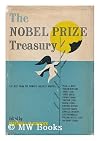
Pages from the Journal by Andre Gide (); Two Worlds (from "Demian") by Hermann Hesse (); The Prayer, To the Children, The Lamp, Little Feet by Gabriela Mistral (); Ann and the Cow, Little Ahasuerus, At Memphis Station, A Bathing Girl by Johannes V. Jensen (); Taavetti Antila by Frans Eemil Sillanpaa (); Wang Lung by Pearl Buck (); Confidence Africaine by Roger Martin du Gard (); Desire Under the Elms by Eugene O'Neill (); The Haunted House, Our Lord of the Ship by Luigi Pirandello (); The Gentleman from San Francisco by Ivan Bunin (); Salvation of a Forsyte by John Galsworthy (); Dreams and Life, My Forefathers, Snake Song, Summer Dancing, Eden by Erik Axel Karlfeldt (); Travel is so Broadening (from "The Man Who Knew Coolidge") by Sinclair Lewis (); Little Hanno (from "Buddenbrooks") by Thomas Mann (); Young Olaf and Ingunn (from "The Master of Hestviken") by Sigrid Undset (); Why do We Laugh? (from "Laughter") by Henri Bergson (); The Shoes by Grazia Deledda (); Death by Ladislas Reymont (); The Land of Heart's Desire, The Wisdom of the King, Down by the Salley Gardens, The Lake Isle of Innisfree by W. B. Yeats (); His Widow's Husband by Jacinto Benavente (); Lucifer, Sylvestre Bonnard Finds Jeanne (from "The Crime of Sylvestre Bonnard") by Anatole France (); The CAll of Life, Isak and Inger (from "Growth of the Soil") by Knut Hamsun (); Anniversary Celebrations (from "Laughing Truths"), Hylas and Kaleidusa Over Hill and VAle (from "Olympian Spring") by Carl Spitteler show more (); A Fisher Nest by Henrik Pontoppidan (); Kamanita and Vasitthi (from Pilgrim Kamanita") by Karl Gjellerup (); A Clean White Shirt (from "The Charles Men"), Invocation and Promise by Verner von Heidenstam (); Lightning Strieks Christophe (from "Jean-Christophe") by Romain Rolland (); Eleven Poems (from "The Crescent Moon") by Rabindranath Tagore (); The Sunken Bell by Gerhart Hauptmann (); Interior by Maurice Maeterlinck (); L'Arrabiata by Paul Heys (); The Outlaws by Selma Lagerlof (); Back to Religion by Rudolf Eucken (); The Way Through the Woods, The Strange Ride of Morrowbie Dukes by Rudyard Kipling (); Levia Gravia, In teh Arno Valley, Carnival, Homer, By Night by Giosue Carducci (); Bartek the Conqueror by Henryk Sienkiewicz (); The Street Singer by Jose Echegaray (); The Mares of the Camargue, the Cocooning (from "Mireio") by Frederic Mistral (); Synnove's Song, Between the Battles, Over the Lofty Mountains, The Father by Bjornstjerne Bjornson (); Caesar (from "The History of Rome") by Theodor Mommsen (); The Struggle, The Appointment, If You But Knew, The Death Agony, The Shadow by Rene Sully-Prudhomme show less
Fourteen Great Detective Stories (1949) - Poe, Conan Doyle, Bramah, Chesterton, Dunsany and more by Howard Haycraft

The Purloined Letter by E. A. Poe (); The Red-Headed League by A. C. Doyle (); The Blue Cross by G. K. Chesterton (); The Stanway Cameo Mystery by Arthur Morrison (); The Case of Oscar Brodsk1 by R. Austin Freeman (); The Tragedy at Brookbend Cottage by Ernest Bramah (); In the Fog by Richard Harding Davis (); The Age of Miracles by Melville Davisson Post (); The Absent-Minded Coterie by Robert Barr (); The Fenchurch Street Mystery by Baroness Orczy (); The Problem of Cell 13 by Jacques Futrelle (); The One Best BEt by Samuel Hopkins Adams (); The Private Bank Puzzle by Edwin Balmer & William MacHarg (); One Hundred in teh Dark by Owen Johnson ();

The Garden Party by Katharine Mansfield (1922); The Three-Day Blow by Ernest Hemingway (1925); The Standard of Living by Dorothy Parker (1941); The Saint by V. S. Pritchett (1947); The Other Side of the Hedge by E. M. Forster (1947); Brooksmith by Henry James (1892); The Jockey by Carson McCullers (1931); The Courting of Dinah Shadd by Rudyard Kipling (1899); The Shot by Alexander Pushkin (1894); Graven Image by John O'Hara (1943); Putois by Anatole France (1915); Only the Dead Know Brooklyn by Thomas Wolfe (1932); A. V. Laider by Max Beerbohm (1920); The Lottery by Shirley Jackson (1948); The Masque of the Red Death by Edgar Allan Poe; Looking Back by Guy de Maupassant (1951); The Man Higher Up by O. Henry (1908); The Summer of the Beautiful White Horse by William Saroyan (1938); The Other Two by Edith Wharton (1904); Theft by Katharine Anne Porter (1930); For Esme--With Love and Squalor by J. D. Salinger (1950); The Man of the House by Frank O'Connor (1949); The Man Who Shot Snapping Turtles by Edmund Wilson (1949); The Gioconda Smile by Aldous Huxley (1921); The Curfew Tolls by Stephen Vincent Benet (1935); Father Wakes up the Village by Clarence Day (1934); Ivy Day in the Committee Room by James Joyce (1946); The Chrysanthemums by John Steinbeck (1938); The Door by E. B. White (1939); An Upheaval by Anton Chekhov (1917); How Beautiful with Shoes by Wilbur Daniel Steele (1933); A Haunted House by Virginia Woolf (1944); The Catbird Seat by James Thurber (1942); The show more Schwartz-Metterklume Method by Saki (1930); The Death of a Bachelor by Arthur Schnitzler (1929); The Apostate by George Milburn (1932); The Phoenix by Sylvia Townsend Warner (1940); That Evening Sun by William Faulkner (1931); The Law by Robert M. Coates (1947); The Tale by Joseph Conrad (1926); A Girl from Red Lion, PA by H. L. Mencken (1940); Main Currents of American Thought by Irwin Shaw (1939); The Ghosts by Lord Dunsany (1908); The Minister's Black Veil by Nathaniel Hawthorne; A String of Beads by W. Somerset Maugham (1927); The Golden Honeymoon by Ring Lardner (1924); The Man Who Could Work Miracles by H. G. Wells (1899); The Foreigner by Francis Steegmuller (1935); Thrawn Janet by Robert Louis Stevenson; The Chaser by John Collier (1940) show less
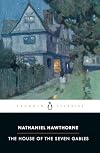
The following quote is from the Introduction by Marion Merrill, Head of the Dept of English at Somerville High School.
"Hawthorne early fancied he might like a literary life. In a boyish letter to his mother he said, 'I do not want to be a doctor and live by men's diseases, nor a minister and live by their sins, or a lawyer and live by their quarrels: so I don't see there is anything left for me but to be an author. How would you like, some day, to see a whole shelf of books written by your son, with Hawthorne's Works printed on their backs?' "
"Hawthorne early fancied he might like a literary life. In a boyish letter to his mother he said, 'I do not want to be a doctor and live by men's diseases, nor a minister and live by their sins, or a lawyer and live by their quarrels: so I don't see there is anything left for me but to be an author. How would you like, some day, to see a whole shelf of books written by your son, with Hawthorne's Works printed on their backs?' "

This is a curious novel from an esteemed writer of the 19th century. It would be difficult to say much about the plot and characters without giving away the story, so i will just say that it is set in a New England village and the main characters are a widowed professor of a kindly and philosophical nature and his rather peculiar daughter. You can read the novel online at Project Gutenberg, http://www.gutenberg.org/files/2696/2696-h/2696-h.htm

Westcott was an Amer. banker and writer b. 1846, d. 1898. He is most famous for the romantic novel, "David Harum". The plot contains vivid character studies but is otherwise a pedestrian love story in which a boy and girl fall in love and are separated through a misunderstanding. All is made right in the end and the are happily married. The title character is a crusty country banker with a kindly heart. Harum gives young John Lenox a job as a bank clerk and the story takes off from there. Harum's folksy wisdom and adages, colorful anecdotes, and love of horse-trading make for delightful reading.
The Danvers Jewels and Sir Charles Danvers (1889) http://www.gutenberg.org/files/19020/19020-h/19020-h.htm by Mary Cholmondeley

These two stories, which were published anonymously, were highly acclaimed in their day and there was much speculation as to the author. The intricate plots and finely-drawn characters cannot be described without giving away the story. The vignettes of 19th century English country life are worth reading in their own right.

This is a pastoral poem, the story of which has been taken and remade by many other authors. They are separated from their real parents as babies and Daphnis is suckled by a goat, while Chloe is nursed by a ewe. Eventually they are found by shepherds who raise them to be a shepherd and a goatherd. They pasture their flocks together and develop a warm affection for one another. They are eventually restored to their true estates and are happily married.

This novel is a sequel to Stevenson's Kidnapped in which he recounts the adventures of David Balfour in trying to rescue the Jacobite Alan Breck Stewart.

This is a character study like most of James' novels, and the heroine, Daisy, is a charming young American girl making the European tour with her unflappable mother and amoral brother. Daisy and her family are blissfully ignorant of the Draconian societal standards of the Europeans and behave as they would in small town America. Aside from the beautifully crafted scenes, James makes the point that the old ways of conduct, the pseudo-morality, must gave way to the more natural and refreshing interactions of the New World.

Andrew Lang, as you probably know was a Scotsman who collected fairy tales with the unique attribute of color--The Green Fairy Book, The Blue Fairy Book, etc. He also wrote some scholarly works on myths and legends such as this work on the origins of myth in which he prefigures Richard Campbell in offering copious evidence for multiple origins of the same story dating back to before recorded history. He believes that the story is the common theme, not the names, ranks and physical attributes of the Gods, heroes and demons in the various versions.

This is a collection of stories, word pictures and curious encounters with birds, fishes, snakes, and wild animals written by an enthusiastic outdoors-man. It is by no means a scientific treatise, but rather a joyful walk with the author as your guide to point out quirks and habits of animals in their natural homes.

This philosophical dissertation on culture defines it as the study of perfection, the harmonious balancing of one's intellectual and artistic nature with the need for purpose and action. Despite its 19th century provenance, the book is illuminated by Arnold's clarity of thought and skill in language, which deliver an important and timely message to those of us today who wish to retain some shreds of humanity.

An antislavery novel, the story revolves around an escaped slave named Pomp who hides out in a cave in the woods. The cave becomes the refuge and meeting place for a motley crew including Cudjo, another runaway, but one lacking Pomp's sensibility and sense of honor. The character studies and vivid scenes bring to life one of the most shameful periods in American history.

I'm not sure if this is an historical novel or a dissertation. It deals with that critical period after the Revolutionary War when Washington was struggling to put together a country from the still nearly ungovernable states. The government treasury was empty, the rebels were clamoring for the heads of the royalists and relations with our major trading partner were sundered. With the help of Jefferson and other clear thinkers, Washington brought a new country into being--a task almost as difficult as his Valley Forge campaign against the British and Hessian soldiers.

It is not too surprising that the multitalented Winston Churchill wrote historical novels centering around warfare. "The Crisis" takes place during and after the War of Southern Secession. The book's protagonist, Stephen Brice, is a New England lawyer who has come to the South to practice. He ardently supports the abolition of slavery and buys a young slave girl just so he can set her free. Of course, how she is supposed to survive in a country where blacks and women have no rights is the driving force behind the plot. Stephen falls in love with a pretty young southern belle named Virginia Carvel whose aristocratic family are practitioners of slavery and believe it is the right of a state to decide the question--not the federal government. Virginia also loves Stephen, but she knows that an engagement to him would cause a huge conflict in the family so she becomes engaged to her pro-slavery cousin Clarence Colfax.When war breaks out, Stephen and Clarence are naturally fighting on opposite sides. As it turns out, during one especially bloody skirmish, Stephen saves Clarence's life. Eventually Stephen marries Virginia and the family comes to a sort of agreement on the issue of owning slaves. To give the book authenticity, Churchill weaves in graphic scenes of war from his own experience and dialog between Lincoln and Grant from his firsthand knowledge to add historical interest.

This novel by Blackmore is much less well-known than "Lorna Doone", but it has a highly ingenious and entertaining plot and deserves more recognition. The conflict in the book revolves around the disappearance of a young heiress. One does not want to give away any of the adventures experienced by the girl, but it can be said that Blackmore's skill with scenes and plot twists makes even the fantastic seem plausible.
This is one of the few 19th century detective novels. Pierre de Rouvere is found murdered in his apartment and the detective Bernadet takes a close-up photo of his retina. The enlarged image shows the face of a man--presumably the murderer. Naturally Bernadet assumes the face is that of Rouvere's killer, but it turns out to be Jacques Dantin, his best friend. more clues are discovered and the real murderer is eventually apprehended. This is a singularly French novel in dialogue, character and plot.
The life and troubles of Mr. Bowser: being a veracious and authentic account of some of his doings at home and abroad ... by M Quad
This is a funny satirical tale of the naive, irascible, but good-hearted Mr Bowser and his wife. It is rather reminiscent of the 1950s TV series, The Honeymooners, in which the husband's well-intentioned but not very well thought out schemes always backfire and cause trouble. Mr Bowser's adventures have the flavor of the 1890s but human nature has indeed not changed a whit. The copy of the book i have is from 1902 and is in rather sad condition, but the line illustrations of Bowser and wife are priceless. The author's name is Charles Bertrand Lewis ('M. Quad') and he was born in 1842 in Ohio. He was educated in public schools and went to the Agricultural College in Lansing, Michigan. He was a private in the Union army during the Civil War and afterwards apprenticed as a printer. He was injured in a boiler explosion during a steamboat race and wrote about the experience in a humorous story called "How it Feels to be Blown Up". It was an instant success and led to his being hired by the Detroit Free Press as a reporter. He wrote many more funny and satirical pieces for the paper and several books including an autobiography. I can imagine if he were alive today, his pieces would be just as hilarious and truthful as they were in the 1870s.
The Crime of Sylvestre Bonnard (translation by Lafcadio Hearn, 1891), http://www.gutenberg.org/files/2123/2123-h/2123-h.htm by Anatole France

http://www.gutenberg.org/files/2123/2123-h/2123-h.htm
This is a classic 19th century novel about a professor of archaeology who tries to do a good deed for his poor neighbor by sending her a Yule log for Christmas one year. Magically he receives the Yule log back again later on Christmas. But he finds that a part of the log has been hollowed out and inside is a manusccript entitled The Golden Legend, a rare work that he has been searching for years for unsuccessfully. His neighbor in the attic turns out to have been the Princess Trepof. This initial story is by way of prologue and the actual plot opens with Prof Bonnard cataloguing some ancient manuscripts for Mons. de Gabry at his chateau. In the pursuit of his work, he meets a winsome young girl named Jeanne who turns out to be the abandoned daughter of his first and only love. He and the girl become close friends and he eventually 'kidnaps' her, with her approval of course, so he can provide a home for her himself. This is his 'crime' and he would have been prosecuted except that the woman who has been acting as guardian for Jeanne absconds with all the money from the boarding school where she has been staying. Bonnard becomes her legal guardian, and after Jeanne marries, he retires to a cottage in the country to be near her and her children. It is a good, old, simple, sentimental story with a happy ending, which proves that not all French writers are as gloomy as Balzac.
This is a classic 19th century novel about a professor of archaeology who tries to do a good deed for his poor neighbor by sending her a Yule log for Christmas one year. Magically he receives the Yule log back again later on Christmas. But he finds that a part of the log has been hollowed out and inside is a manusccript entitled The Golden Legend, a rare work that he has been searching for years for unsuccessfully. His neighbor in the attic turns out to have been the Princess Trepof. This initial story is by way of prologue and the actual plot opens with Prof Bonnard cataloguing some ancient manuscripts for Mons. de Gabry at his chateau. In the pursuit of his work, he meets a winsome young girl named Jeanne who turns out to be the abandoned daughter of his first and only love. He and the girl become close friends and he eventually 'kidnaps' her, with her approval of course, so he can provide a home for her himself. This is his 'crime' and he would have been prosecuted except that the woman who has been acting as guardian for Jeanne absconds with all the money from the boarding school where she has been staying. Bonnard becomes her legal guardian, and after Jeanne marries, he retires to a cottage in the country to be near her and her children. It is a good, old, simple, sentimental story with a happy ending, which proves that not all French writers are as gloomy as Balzac.
This massive book in rigorous Germanic prose presents Haeckel's unique ideas on how life and the variety of species came into being. Darwin is supposed to have said: :If Haeckel's book [History of Creation] had appeared before the Origin of Species, I should probably never have completed it."
The Pageant of the Company of Sheremen and Taylors, in Coventry, as performed by them on the festival of Corpus Christi; together with other pageants, exhibited on occasion of several royal visits to that city; and two specimens of ancient local poetry. [Edited by Thomas Sharp.] by Robert CROO
The Coventry Plays are examples of the Medieval 'Mystery' plays of the 14th century. Their subjects are the well-known Biblical stories of Noah and the ark, the expulsion from Eden, the raising up of Lazarus from the dead and so on. The Coventry plays date back to the late 1300s, but were probably in existence much earlier. The English of the Coventry plays is more modern than that of Chaucer, but you will still need a glossary unless you are a student of old English.

This novel is another in the series, "Scenes from Parisian Life" in the 19th century. I don't think Balzac was capable of writing a happy story. Lisbeth Fischer, called Cousin Bette by everyone, is skilled in the art of making gold and silver lacework, but remains poor and unmarried. She is possessed by jealousy of her cousin Adeline who married into wealth, although her husband Baron Hulot is a besotted womanizer. The development of the characters and their tragic relationships form the basis of this great work.

The tale of Cousin Pons is another novel in Balzac's wonderful "Scenes from Parisian Life". It is the sad story of Silvain Pons, a man upon whom Fate did not smile. Despite his travails and woes, he live his life simply and cheerfully without rancor or bitterness. Such pure hearts do exist, although they are rare.

This novel is one of Balzac's best "Scenes from Country Life"--part of his great Human Comedy. Dr. Benassis is the hero of the tale, a rural doctor who treats the wounds of a Bonapartist soldier named Capt. Bluteau. Compared to most of Balzac's complex character studies, this simple refreshing story portrays a person who was more like a vicar to his fellow villagers--treating all their ills without demanding payment, teaching them new and better methods of farming and husbandry and enhancing the prosperity of all. He has a cook named Jacquotte who is his greatest critic and adviser, utterly devoted to him and indeed one of Balzac's most memorable characters.

This is a two-volume history of the United States South during the period of slavery when cotton was king. It was his belief that the cotton plantations could be worked just as effectively with hired laborers and he offers many arguments to support this hypothesis. His facts come from personal observation and from government and commercial sources. Olmsted shows that the slave owners spent most of their time managing and controlling their workers who had no inclination to perform their tasks because of their virtual imprisonment. A man who is free and paid a salary could be expected to work harder to keep his job, especially if there is also the prospect of advancement and a greater share in the profits.