
Bill Bryson (1) (1951–)
Author of A Short History of Nearly Everything
For other authors named Bill Bryson, see the disambiguation page.
About the Author
Bill Bryson was born in Des Moines, Iowa on December 8, 1951. In 1973, he went backpacking in England, where he eventually decided to settle. He wrote for the English newspapers The Times and The Independent, as well as supplementing his income by writing travel articles. He moved back to the show more United States in 1995. His first travel book, The Lost Continent: Travels in Small-Town America, was published in 1989. His other books include I'm a Stranger Here Myself, In a Sunburned Country, Bill Bryson's Dictionary of Troublesome Words, Neither Here nor There: Travels in Europe, Made in America, The Mother Tongue, Bill Bryson's African Diary, A Short History of Nearly Everything, At Home: A Short History of Private Life, Walk About, and Seeing Further: The Story of Science, Discovery, the Genius of the Royal Society. A Walk in the Woods was adapted into a movie starring Robert Redford and Nick Nolte. Bryson's titles, The Road to Little Dribbling: Adventures of an American in Britain, Notes from a Small Island and Neither Here Nor There made the New York Times bestseller list in 2016. (Bowker Author Biography) show less
Image credit: Bill Bryson in 2018
Series
Works by Bill Bryson
A Walk in the Woods: Rediscovering America on the Appalachian Trail (1998) 18,405 copies, 501 reviews
I'm a Stranger Here Myself: Notes on Returning to America After 20 Years Away (1998) 7,810 copies, 128 reviews
At Home: A Short History of Private Life (2010) — Narrator, some editions — 7,230 copies, 283 reviews
Made in America: An Informal History of the English Language in the United States (1994) 4,628 copies, 51 reviews
Seeing Further: The Story of Science, Discovery, and the Genius of the Royal Society (2010) — Editor — 1,154 copies, 19 reviews
Notes from a Small Island / Neither Here Nor There / I'm a Stranger Here Myself (2006) 58 copies, 2 reviews
A Really Short History of Words: An illustrated edition of the bestselling book about the English language (2024) 6 copies
The Bill Bryson BBC Radio Collection: Divided by a Common Language, Journeys in English and More (2023) 4 copies
Notes from a Small Country 1 copy
Die große Bill-Bryson-Box: Eine kurze Geschichte von fast allem - Eine kurze Geschichte der alltäglichen Dinge (2020) 1 copy
Simple Genius 1 copy
Associated Works
Not So Funny When It Happened: The Best of Travel Humor and Misadventure (2000) — Contributor — 244 copies, 7 reviews
There's No Toilet Paper on the Road Less Traveled: The Best of Travel Humor and Misadventure (1998) — Contributor — 217 copies, 5 reviews
The Road Less Travelled: Foreword by Bill Bryson (Eyewitness Travel Guides) by Compact (2011) (2009) — Foreword, some editions — 141 copies, 1 review
Wild: Stories of Survival from the World's Most Dangerous Places (Adrenaline) (1999) — Contributor — 65 copies, 1 review
Licensed to Sell: The History and Heritage of the Public House (2004) — Foreword, some editions — 23 copies, 2 reviews
Encounters: Real Life Reading: Walk a Crooked Mile / Down Under / The Endurance / Last of the Free — Author — 3 copies
RDSELP v103 A Walk in the Woods / Cloud Nine (Reader's Digest Select Editions) (1999) — Author — 3 copies
Tagged
Common Knowledge
- Legal name
- Bryson, William McGuire
- Birthdate
- 1951-12-08
- Gender
- male
- Education
- Drake University (BA|1977)
- Occupations
- journalist
chancellor (University of Durham)
travel writer
non-fiction author - Organizations
- Campaign to Protect Rural England
- Awards and honors
- Order of the British Empire (Officer, 2006)
British Book Award (1997)
Royal Society (Honorary Fellow, 2013)
Aventis Prize (2004)
Descartes Prize (2005)
President's Award of the Royal Society of Chemistry (2005) (show all 10)
Bradford Washburn Award (2007)
James Joyce Award (2007)
Kenneth B. Myer Award (2012)
Golden Eagle Award (2011) - Agent
- Jed Mattes
- Relationships
- Bryson, Michael G. (brother)
Bryson, Bill, Sr. (father) - Short biography
- Bill Bryson was born in Des Moines, Iowa, in 1951. A backpacking expedition in 1973 brought him to England where he met his wife and decided to settle. He wrote for the English newspapers The Times and The Independent for many years, writing travel articles to supplement his income. He lived with his family in North Yorkshire before moving back to the States in 1995, to Hanover, New Hampshire, with his wife and four children. In 2003 he and his family moved back to England, where they currently reside.
- Nationality
- USA (birth)
UK (naturalized) - Birthplace
- Des Moines, Iowa, USA
- Places of residence
- Virginia Water, Surrey, England, UK
North Yorkshire, England, UK
Hanover, New Hampshire, USA
Wymondham, Norfolk, England, UK - Map Location
- England, UK
Members
Reviews
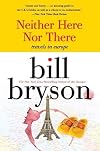
Unlike other travelogues that are bogged down by dry and didactic narratives and mind-numbing historical perspectives, Bryson's Neither Here Nor There none of those things. Instead it is conversational and as funny as a drunk standup comedienne. Bryson is more concerned with where to find a beer than he is about regurgitating stale facts and figures about an ancient city. It is if Bryson has stuffed you into his backpack and all you can do is eavesdrop on his hilarious monologue as he show more traipses across the Continent. This isn't his first rodeo. Bryson first went to Europe in 1972. He went again in 1992. Both times, he was capable of traveling around Europe without planned transportation or hotel reservations or even a clear itinerary. As an aside, I asked myself what it must have been like to backpack across Europe in the 1970s. Did Bryson and his longtime friend, Stephen Katz, find what they were looking for? Were they even looking for something in the first place? But, I digress.
Bryson went back, twenty years later, this time on his own, retracing his journey across Europe. He makes a point to stop in every major city across the Continent; he's a rock star on the Grand Tour of humor. show less
Bryson went back, twenty years later, this time on his own, retracing his journey across Europe. He makes a point to stop in every major city across the Continent; he's a rock star on the Grand Tour of humor. show less

This pint-sized volume (not quite 200 wide-margined pages) comes with a pull quote on the jacket that calls it "vivid, unsentimental, witty, and fast-paced." That's all accurate. Although probably more straightforward and less re-readable than most of Bryson's books, it's still an entertaining and eminently informative summation of what we know to be true about Shakespeare's life: which is to say, not much. Bryson commendably defaults to the idea that the simplest theories are probably the show more most accurate, and much of the humor comes from debunking the wilder speculations. show less
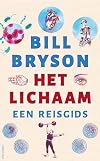
Bryson leerde me kijken, schreef ik over zijn reisboeken. En ik was al een observator, genoot van het gewone soms meer dan van het bijzondere. Bryson reisde rond en liet zien dat er heel veel bijzonder is, maar dat we het vaak niet zien.
Toen hij uit gereisd was, schreef hij nog steeds boeken, met ‘A small history of nearly everything’ zonder twijfel als hoogtepunt. Zijn laatste uitgave gaat dus over ons lichaam. En daarvoor zie ik hem zitten op zijn zolderkamertje, eerst maanden lang show more allerlei boeken lezen, dan een plan maken, een eerste concept, een opzet. Nieuwe bijbehorende literatuur vinden, contacten leggen met experts over de hele wereld, op pad, interviews, tips voor onontdekte literatuur krijgen en ook dat weer lezen. Dan de computer opstarten, schrijven, schrijven, schrijven. Een paar maanden later ligt er een eerste versie van een paar duizend bladzijden, dan moet er geschrapt worden. De tweede versie wordt aan iemand voorgelegd, er volgt een derde versie. Uiteindelijk verscheen een paar maanden geleden de definitieve versie.
En die definitieve versie heeft alles wat een goed boek moet hebben. Nuttige, interessante informatie, passende anekdotes, citaten van de leidende experts, iets anders dan de bekendste overigens, maar boven alles een leesbaar verhaal, met een typisch Bryson sausje er overheen. Na dit boek ben ik er van overtuigd dat Bryson over elk mogelijk onderwerp een dik maar boeiend verhaal kan schrijven, daag hem maar uit.
Het aantal keren dat bekende vooroordelen ontkracht wordt, is bijna niet te tellen (ik heb niet geturfd). Het aantal ‘echt?’-momenten in elk hoofdstuk is verbazingwekkend. En misschien nog wel verrassender: er is zo veel nog niet bekend. Waar alles onderzocht lijkt, de wetenschap al eeuwen gigantische vorderingen maakt, komt Bryson elk hoofdstuk wel een keer met de opmerking dat we het eigenlijk niet weten. Eigenlijk dekt hij zichzelf in. Over een eeuw staat dit boek ongetwijfeld nog in (digitale) bibliotheken over de hele wereld, maar zal veel informatie ook weer achterhaald blijken. We zijn niet zo slim en ontwikkeld als menigeen denkt dat we zijn.
Doktoren hebben minder betekend voor de vooruitgang van de medische wetenschap dan algemene hygiënische verbetering. De levensduur van de mens kan nog flink groeien, maar gaat de kwaliteit van het leven ook mee? Stukje bij beetje neemt Bryson weer mee aan zijn hand, door de verschillende delen van ons lichaam. En daarmee schrijft hij een naslagwerk dat te lezen is als boek. Een vertelling waarin je op een willekeurig punt kunt beginnen te lezen. De ondertitel ‘een reisgids’ is een verwijzing naar zijn oeuvre, maar misschien ook wel letterlijk. De reis door het lichaam. En eigenlijk is dat mijn enige kritiekpunt: ik vind zijn reisboeken boeiender, interessanter, humoristischer.
Citaat: “Als je nagaat hoe uitvoerig de hersenen zijn bestudeerd en gedurende welke lange tijd, is het wel opmerkelijk hoe weinig we weten over de elementaire zaken of hoe weinig algemene overeenstemming daarover bestaat. Wat is bewustzijn precies? Of wat is een gedachte eigenlijk? Het is niet iets wat je in een potje kunt stoppen of op een objectglaasje van een microscoop kunt smeren, maar toch is een gedachte onbetwistbaar echt. Denken is het meest vitale en wonderbaarlijke talent, maar in een diepgaande fysiologische zin weten we niet echt wat denken is.” (blz. 62/63) show less
Toen hij uit gereisd was, schreef hij nog steeds boeken, met ‘A small history of nearly everything’ zonder twijfel als hoogtepunt. Zijn laatste uitgave gaat dus over ons lichaam. En daarvoor zie ik hem zitten op zijn zolderkamertje, eerst maanden lang show more allerlei boeken lezen, dan een plan maken, een eerste concept, een opzet. Nieuwe bijbehorende literatuur vinden, contacten leggen met experts over de hele wereld, op pad, interviews, tips voor onontdekte literatuur krijgen en ook dat weer lezen. Dan de computer opstarten, schrijven, schrijven, schrijven. Een paar maanden later ligt er een eerste versie van een paar duizend bladzijden, dan moet er geschrapt worden. De tweede versie wordt aan iemand voorgelegd, er volgt een derde versie. Uiteindelijk verscheen een paar maanden geleden de definitieve versie.
En die definitieve versie heeft alles wat een goed boek moet hebben. Nuttige, interessante informatie, passende anekdotes, citaten van de leidende experts, iets anders dan de bekendste overigens, maar boven alles een leesbaar verhaal, met een typisch Bryson sausje er overheen. Na dit boek ben ik er van overtuigd dat Bryson over elk mogelijk onderwerp een dik maar boeiend verhaal kan schrijven, daag hem maar uit.
Het aantal keren dat bekende vooroordelen ontkracht wordt, is bijna niet te tellen (ik heb niet geturfd). Het aantal ‘echt?’-momenten in elk hoofdstuk is verbazingwekkend. En misschien nog wel verrassender: er is zo veel nog niet bekend. Waar alles onderzocht lijkt, de wetenschap al eeuwen gigantische vorderingen maakt, komt Bryson elk hoofdstuk wel een keer met de opmerking dat we het eigenlijk niet weten. Eigenlijk dekt hij zichzelf in. Over een eeuw staat dit boek ongetwijfeld nog in (digitale) bibliotheken over de hele wereld, maar zal veel informatie ook weer achterhaald blijken. We zijn niet zo slim en ontwikkeld als menigeen denkt dat we zijn.
Doktoren hebben minder betekend voor de vooruitgang van de medische wetenschap dan algemene hygiënische verbetering. De levensduur van de mens kan nog flink groeien, maar gaat de kwaliteit van het leven ook mee? Stukje bij beetje neemt Bryson weer mee aan zijn hand, door de verschillende delen van ons lichaam. En daarmee schrijft hij een naslagwerk dat te lezen is als boek. Een vertelling waarin je op een willekeurig punt kunt beginnen te lezen. De ondertitel ‘een reisgids’ is een verwijzing naar zijn oeuvre, maar misschien ook wel letterlijk. De reis door het lichaam. En eigenlijk is dat mijn enige kritiekpunt: ik vind zijn reisboeken boeiender, interessanter, humoristischer.
Citaat: “Als je nagaat hoe uitvoerig de hersenen zijn bestudeerd en gedurende welke lange tijd, is het wel opmerkelijk hoe weinig we weten over de elementaire zaken of hoe weinig algemene overeenstemming daarover bestaat. Wat is bewustzijn precies? Of wat is een gedachte eigenlijk? Het is niet iets wat je in een potje kunt stoppen of op een objectglaasje van een microscoop kunt smeren, maar toch is een gedachte onbetwistbaar echt. Denken is het meest vitale en wonderbaarlijke talent, maar in een diepgaande fysiologische zin weten we niet echt wat denken is.” (blz. 62/63) show less
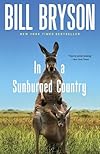
This travelogue is interesting and entertaining if you stay in the bubble that is Bryson's worldview. Unfortunately he is biased. It is a view of Australia limited to the perspective of the invaders and colonizers with only perfunctory acknowledgement of the original inhabitants. There are plenty of encounters and conversations with white Australians but none whatsoever with Aboriginal people or even the many people of Asian heritage and other nationalities who made up the population at the show more time of Bryson's travels.
He writes comprehensively about the history of white Australia but makes only cursory mention (about 4 pages) of the challenges imposed on the Aboriginal people by invasion, colonization, legal genocide, seizing of land, introduction of invasive animals and plants which have terraformed the continent and the impact of disenfranchisement from citizenship for most of the years since the invasion. He only devotes a few pages to the pre-invasion history, even though the Aboriginal people have been in Australia for at least 40,000 years and maybe as long as 60,000 years.
He writes only a few paragraphs about the government program that separated generations of Aboriginal children from their parents in an effort at social engineering. Imagine, a van would drive up to your home, government workers would get out, seize all of your children and transport them thousands of miles away. You have no recourse because legally you have neither citizenship nor custody rights, only the government has custody of your children. You will never hear from or about them again. Your children are told their parents are either dead or do not want them anymore. The results were horrendous and predictable.
There also is no mention of any of the positive contributions of the indigenous people. He characterizes them as being invisible, he does not see them participating in any "productive capacity in the normal workaday world." It is startling and sad to read this statement. In reality, Aboriginal people in Australia are actively participating in many aspects of society. Maybe Bryson just had blinders on his eyes.
I purchased this book to prepare for a trip to Australia but had to put it down because of its limited perspective. I finished reading it after my trip. My experiences there just reinforced my initial negative impressions of the Bryson's writing. I also was disappointed by the flippant attitude, snide comments and off-color jokes. He spends a lot of time being bored or disappointed by various aspects of the country. But as he is on the road and stops off in very small towns it is to be expected that he will not find fine food, scintillating conversation or great cultural attractions every day. The same could be said of any small town in middle America. No reason to be so high-handed in criticism of them. There is a beauty in ordinary people carrying on with ordinary lives that he seems to miss. show less
He writes comprehensively about the history of white Australia but makes only cursory mention (about 4 pages) of the challenges imposed on the Aboriginal people by invasion, colonization, legal genocide, seizing of land, introduction of invasive animals and plants which have terraformed the continent and the impact of disenfranchisement from citizenship for most of the years since the invasion. He only devotes a few pages to the pre-invasion history, even though the Aboriginal people have been in Australia for at least 40,000 years and maybe as long as 60,000 years.
He writes only a few paragraphs about the government program that separated generations of Aboriginal children from their parents in an effort at social engineering. Imagine, a van would drive up to your home, government workers would get out, seize all of your children and transport them thousands of miles away. You have no recourse because legally you have neither citizenship nor custody rights, only the government has custody of your children. You will never hear from or about them again. Your children are told their parents are either dead or do not want them anymore. The results were horrendous and predictable.
There also is no mention of any of the positive contributions of the indigenous people. He characterizes them as being invisible, he does not see them participating in any "productive capacity in the normal workaday world." It is startling and sad to read this statement. In reality, Aboriginal people in Australia are actively participating in many aspects of society. Maybe Bryson just had blinders on his eyes.
I purchased this book to prepare for a trip to Australia but had to put it down because of its limited perspective. I finished reading it after my trip. My experiences there just reinforced my initial negative impressions of the Bryson's writing. I also was disappointed by the flippant attitude, snide comments and off-color jokes. He spends a lot of time being bored or disappointed by various aspects of the country. But as he is on the road and stops off in very small towns it is to be expected that he will not find fine food, scintillating conversation or great cultural attractions every day. The same could be said of any small town in middle America. No reason to be so high-handed in criticism of them. There is a beauty in ordinary people carrying on with ordinary lives that he seems to miss. show less
Lists
Books I've read (9)
Africa (1)
Books About Boys (1)
Guilty Pleasures (1)
2000s decade (1)
History (1)
Five star books (1)
Big History (1)
Books in English (1)
2015 UpROOTed (1)
Best Biographies (1)
Comfort Reads (1)
Pageturners (1)
United Kingdom (1)
Books to Read (1)
How Humans Work (1)
Tour of Iowa (1)
BBC Big Read (1)
My List (1)
Read (8)
Etymology (3)
Folio Society (2)
Carole's List (8)
Favourite Books (4)
Funny Books (4)
Unread books (3)
Social Sciences (1)
Allie's Wishlist (2)
Wishlist (2)
Sense of place (2)
Sociology (1)
Awards


You May Also Like


Associated Authors
Statistics
- Works
- 70
- Also by
- 20
- Members
- 136,885
- Popularity
- #50
- Rating
- 3.9
- Reviews
- 3,289
- ISBNs
- 1,138
- Languages
- 32
- Favorited
- 663


