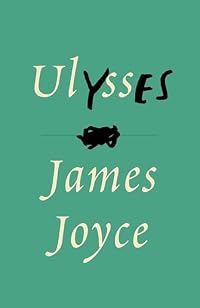
Ulysses
by James Joyce 
There is 1 current discussion about this work.
On This Page
Description
James Joyce pays homage to Homer's Odyssey, drawing on many of the Greek poet's themes with this eighteen-part novel. Set in 1922 Ireland, when the city of Dublin was rife with social unrest and radical nationalism, Ulysses chronicles a day in the life of Leopold Bloom as he navigates the city on his usual routine. However, his disdain for violence, indifference for Irish independence, and his embitterment for his adulterous wife leave Bloom in a series of predicaments.Tags
Recommendations


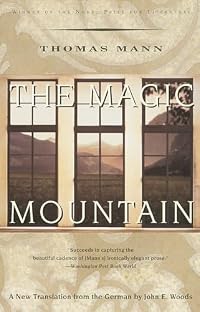
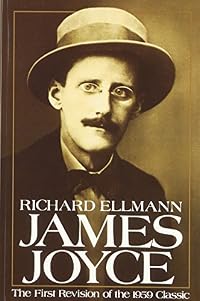
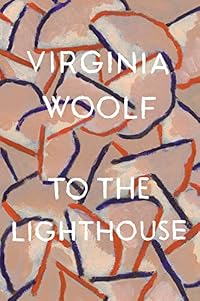
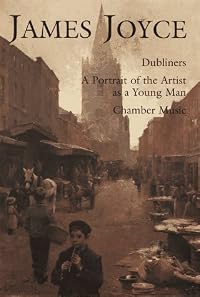
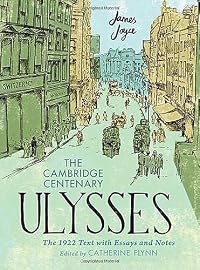
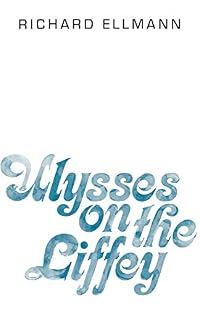
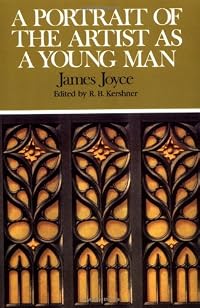
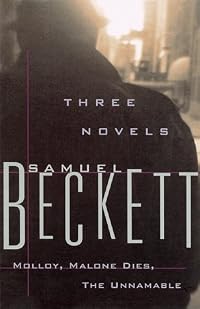
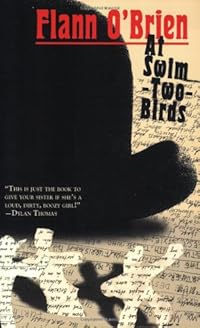
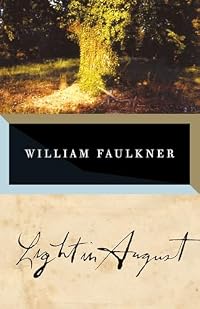
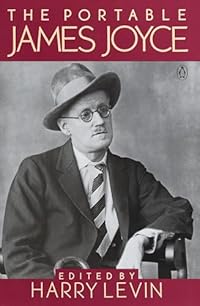
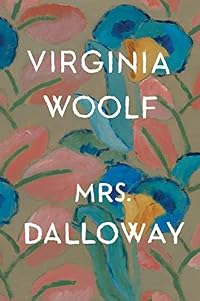
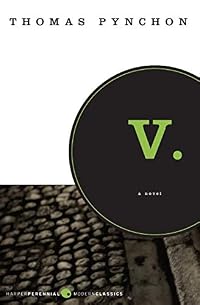

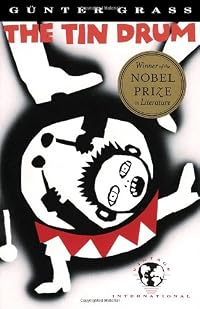
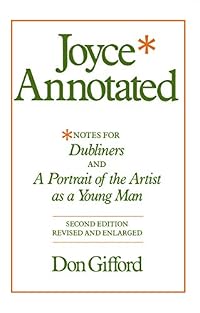

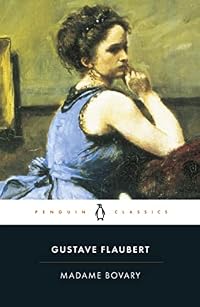
Member Recommendations
The Odyssey by Homer
_eskarina Joyce himself recommended Homer's epos to get better insight and understanding of Ulysses.
Also recommended by chrisharpe
331
browner56 You will either love them both or hate them both, but you will probably need a reader's guide to get through either one--I know I did.
91
bokai The Bloomsday Book is a book length summary of James Joyce's Ulysses. It informs the reader of the general plot, of particular references in Ulysses to events in other books (most usually Dubliners)and includes a minimum of commentary, usually focusing on the religious aspects of the novel. For someone reading Ulysses with a limited knowledge of Joyce, Ireland, or Catholicism, this book may be the deciding factor in their enjoyment of the novel itself.
40
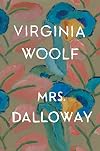
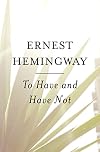
rrmmff2000 Both books of a man in a city, celebrating human life in all its variety, and revelling in language.
51
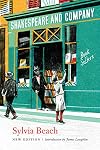
andejons For those who want to read about how the book was published (and other details about Joyce's life in Paris)
41
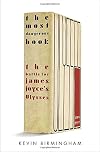
Cecrow The (Non-fiction) story behind the novel's publication and its struggles with censorship.
20
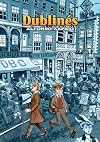
drasvola This book is a graphic narration of Joyce's life. It's in Spanish. Very well done and informative about Joyce's troubled relation with society, his work and family relationships.
by chrisharpe
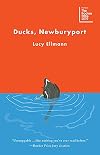
aprille Ellmann is the daughter of Joyce scholar Richard Ellmann and Ducks, Newburyport (shortlisted for the Booker) is 21st-century American housewife's stream of consciousness with more contemporary cultural allusions
11
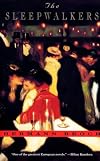
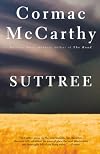
by eereed
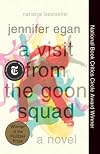
kara.shamy Similar -- almost unique really -- in their tremendous breadth and depth...
04
fuguette Place's work is a free-form experiment tracking the depraved, obsessive, unfiltered thoughts of her characters.
11

absurdeist Similar kind of disjointed interiority with multiple pov's.
Member Reviews
A novel that takes place during a single day, but takes several months to read.
I finally opened Ulysses after a trip to Dublin in summer 2023. References to Joyce seemed to be everywhere: the Martello Tower still standing, video of a Fontaines D.C. performance at Kilmainham Gaol, the Museum of Literature Ireland on St. Stephen’s Green, Sweny’s pharmacy, the death mask replica at the Little Museum—all indications that the book yet resonates across time. Having read Dubliners and A Portrait of the Artist as a Young Man before and finally seeing the city firsthand made Ulysses less mysterious. I read the 1992 Modern Library Edition of the corrected and reset 1961 edition, based on the first American printing from 1934. (Next time show more around, I think I’ll give the Gabler edition a go).
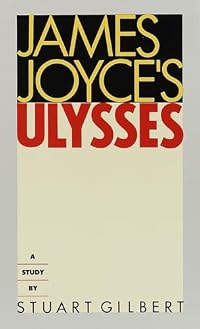
I wanted to experience reading Ulysses with a fresh, open mind, without an intermediary, so I read each of the 18 episodes through before consulting secondary sources. (Alas, my curiosity and my ignorance got the best of me). I then listened to each episode of the Raidió Teilifís Éireann (Irish public media) performance recorded in 1982—Ulysses as a radio play, with over 30 actors, sound effects and street sounds, special effects for interior monologues, a beautiful, invigorating production. Hearing Ulysses read by Dubliners revealed more atmospheric and linguistic nuance than I could have picked up on my own. After each chapter, I also read the pertinent episodic analysis in Stuart Gilbert’s James Joyce’s Ulysses, which tracks the influence of Homer’s Odyssey and draws attention to phrases and symbols that recur across episodes.
The first thing that I noticed was that Ulysses is very funny. Many of the allusions and symbology went over my head, but there are passages of great beauty and deep feeling and dazzling intellect. Ulysses is a demanding read, but I think it rewards the work a reader puts into it. There are plenty of ways to appreciate Joyce’s astonishing achievement, what he was able to make words do and say. He left us a marvelous gift. Do with it as you will. show less
I finally opened Ulysses after a trip to Dublin in summer 2023. References to Joyce seemed to be everywhere: the Martello Tower still standing, video of a Fontaines D.C. performance at Kilmainham Gaol, the Museum of Literature Ireland on St. Stephen’s Green, Sweny’s pharmacy, the death mask replica at the Little Museum—all indications that the book yet resonates across time. Having read Dubliners and A Portrait of the Artist as a Young Man before and finally seeing the city firsthand made Ulysses less mysterious. I read the 1992 Modern Library Edition of the corrected and reset 1961 edition, based on the first American printing from 1934. (Next time show more around, I think I’ll give the Gabler edition a go).
I wanted to experience reading Ulysses with a fresh, open mind, without an intermediary, so I read each of the 18 episodes through before consulting secondary sources. (Alas, my curiosity and my ignorance got the best of me). I then listened to each episode of the Raidió Teilifís Éireann (Irish public media) performance recorded in 1982—Ulysses as a radio play, with over 30 actors, sound effects and street sounds, special effects for interior monologues, a beautiful, invigorating production. Hearing Ulysses read by Dubliners revealed more atmospheric and linguistic nuance than I could have picked up on my own. After each chapter, I also read the pertinent episodic analysis in Stuart Gilbert’s James Joyce’s Ulysses, which tracks the influence of Homer’s Odyssey and draws attention to phrases and symbols that recur across episodes.
The first thing that I noticed was that Ulysses is very funny. Many of the allusions and symbology went over my head, but there are passages of great beauty and deep feeling and dazzling intellect. Ulysses is a demanding read, but I think it rewards the work a reader puts into it. There are plenty of ways to appreciate Joyce’s astonishing achievement, what he was able to make words do and say. He left us a marvelous gift. Do with it as you will. show less
Reviewing Ulysses is like reviewing the bible, not just because--as you surely know--it encourages irrational hatred and irrational love, and should probably have more three star reviews than it has. More importantly and, if I do say so myself, insightfully, it's like reviewing the bible because the bible is not a book, it's a collection of books, many of which refer to earlier books in the sequence of books.
So, I am suspicious of those who declare their undying love/hatred of everything in here, because that would mean loving/hating an awful lot of stuff. I read the book as a snotty teenager, and 'loved' everything, almost certainly because it made me feel so full of snot. I re-read it in my twenties and got kind of bored with some show more things. I just finished reading it properly for the first time (i.e., I had some idea of what was going on) and realized that my feelings could be parsed:
i) I hate Joyce's stream of consciousness. I hate its fake difficulty, the fact that in this book it approaches pure form, devoid of any content that's even remotely interesting. I do not care, Leopold Bloom, about your thoughts on astronomy. I do not care, Leopold Bloom, to listen to you ponder gastronomy.
ii) I love Joyce's parodies in the second half of the book.
So, I imagine Joyce's writing process running like this: "I'm going to write the fuck out of Dublin and revolutionize literature by writing Dublin the way we *really* experience it, yeah... boy, I'm going to stick it to those people who said I'd never amount to anything... wow, this is getting pretty dull... nope, I'm bored. Let's throw some newspaper headlines in there and make it much funnier... nope, still bored. What about a good philosophical argument... nope, I'm no good at that. Whatever, it can stay. But it sure was nice to have more than one person involved. I wonder if I can do lots of people. Yes. Yes I can. That was cool. Let's try again. Nice. Maybe I can try out a new story-teller, story-tellers are unintentionally funny. Yes, that was funny. Also funny: bad books. Also funny: all books. Hell with it, I'll write a play that anticipates most of the twentieth century in literature... wow, I really am pretty good, that's a relief. To prove it I'll write the worst seventy pages in the history of world literature, only I'll be doing it intentionally... damn, that is *horrible*. How to wrap this up? How about a catechism and some really long sentences that will call into doubt all the excellence that I've stuffed in between the argument and the end? Perfect."
I look forward to re-reading it in my forties, when I will violently disagree with my 30-something self, rail against my immaturity and bemoan my inability to really feel the pain of Leopold Bloom.
**********************************
Now, a word about editions. I read the annotated edition, from Declan Kiberd. It is perhaps the most egregiously bad edition possible, except for the text, which is easy to read, and the margins, which are wide and allow for your own notes. Kiberd's commentary is horrific on almost every level. He makes 'difficult' mistakes (e.g., directing the reader to Plato when he should be directing the reader to Aristotle). He makes simple mistakes (e.g., telling the reader the wrong time for Boylan and Molly's humping). He distorts the book in an attempt to make Joyce a great mind.
This is a genuine problem for Joyce scholars, who like to pretend that Joyce was super-educated and really erudite and just fantastically smart. He was not. Joyce was moderately well read, and pretty sharp. Do not confuse him with Robert Musil or Ezra Pound. Those guys were *smart*. But Joyce, like Shakespeare, doesn't need the smarts because he is a beautiful-word-producing guy. His sentences, when they're not Stream of consciousness or pretending to be other people's sentences, are gloriously perfect. Of course, that sort of thing can't be analyzed in a classroom. Hence the Joyce industry turns Joyce into some kind of Derrida/Swift/Kristeva/bell hooks, hundreds of years ahead of his time, capable of intuiting precisely the politics of the late twentieth century.
Except he's not. He's kind of a shit head.
Kiberd's editorial work gets one star. One of the worst Penguins ever. The design, of course, is still amazing.
Far better are the annotations in the Oxford World's Classics edition, which are a) accurate and b) not quite as patronizing. On the downside, the text is the unreadable though historically cool 1922 text. show less
So, I am suspicious of those who declare their undying love/hatred of everything in here, because that would mean loving/hating an awful lot of stuff. I read the book as a snotty teenager, and 'loved' everything, almost certainly because it made me feel so full of snot. I re-read it in my twenties and got kind of bored with some show more things. I just finished reading it properly for the first time (i.e., I had some idea of what was going on) and realized that my feelings could be parsed:
i) I hate Joyce's stream of consciousness. I hate its fake difficulty, the fact that in this book it approaches pure form, devoid of any content that's even remotely interesting. I do not care, Leopold Bloom, about your thoughts on astronomy. I do not care, Leopold Bloom, to listen to you ponder gastronomy.
ii) I love Joyce's parodies in the second half of the book.
So, I imagine Joyce's writing process running like this: "I'm going to write the fuck out of Dublin and revolutionize literature by writing Dublin the way we *really* experience it, yeah... boy, I'm going to stick it to those people who said I'd never amount to anything... wow, this is getting pretty dull... nope, I'm bored. Let's throw some newspaper headlines in there and make it much funnier... nope, still bored. What about a good philosophical argument... nope, I'm no good at that. Whatever, it can stay. But it sure was nice to have more than one person involved. I wonder if I can do lots of people. Yes. Yes I can. That was cool. Let's try again. Nice. Maybe I can try out a new story-teller, story-tellers are unintentionally funny. Yes, that was funny. Also funny: bad books. Also funny: all books. Hell with it, I'll write a play that anticipates most of the twentieth century in literature... wow, I really am pretty good, that's a relief. To prove it I'll write the worst seventy pages in the history of world literature, only I'll be doing it intentionally... damn, that is *horrible*. How to wrap this up? How about a catechism and some really long sentences that will call into doubt all the excellence that I've stuffed in between the argument and the end? Perfect."
I look forward to re-reading it in my forties, when I will violently disagree with my 30-something self, rail against my immaturity and bemoan my inability to really feel the pain of Leopold Bloom.
**********************************
Now, a word about editions. I read the annotated edition, from Declan Kiberd. It is perhaps the most egregiously bad edition possible, except for the text, which is easy to read, and the margins, which are wide and allow for your own notes. Kiberd's commentary is horrific on almost every level. He makes 'difficult' mistakes (e.g., directing the reader to Plato when he should be directing the reader to Aristotle). He makes simple mistakes (e.g., telling the reader the wrong time for Boylan and Molly's humping). He distorts the book in an attempt to make Joyce a great mind.
This is a genuine problem for Joyce scholars, who like to pretend that Joyce was super-educated and really erudite and just fantastically smart. He was not. Joyce was moderately well read, and pretty sharp. Do not confuse him with Robert Musil or Ezra Pound. Those guys were *smart*. But Joyce, like Shakespeare, doesn't need the smarts because he is a beautiful-word-producing guy. His sentences, when they're not Stream of consciousness or pretending to be other people's sentences, are gloriously perfect. Of course, that sort of thing can't be analyzed in a classroom. Hence the Joyce industry turns Joyce into some kind of Derrida/Swift/Kristeva/bell hooks, hundreds of years ahead of his time, capable of intuiting precisely the politics of the late twentieth century.
Except he's not. He's kind of a shit head.
Kiberd's editorial work gets one star. One of the worst Penguins ever. The design, of course, is still amazing.
Far better are the annotations in the Oxford World's Classics edition, which are a) accurate and b) not quite as patronizing. On the downside, the text is the unreadable though historically cool 1922 text. show less
I made it all the way through. I wasn't expecting it to be as humorous as it is, was often laughing out loud. Lost patience a bit in Section 17, as Bloom and young Daedelus pull an all-nighter. The question-and-answer style wore thin. I understood what was Joyce was doing, and admire his skill in showing that the entire universe could be brought to bear on one 24-hour period in one place, as well as showing that the language to express it is as vast as that universe, but then I felt I had gotten the point. But the section ended well, and then you get to the final section, 18. After over 800 pages concerned primarily with Bloom's consciousness, secondarily that of Stephen Daedelus, Joyce's alter ego, already known from Portrait of the show more Artist as a Young Man, it was a stroke of genius to end the book inside Molly's consciousness.
Usually when I give 5 stars, it means that I believe anyone's life would be enriched by reading it. This is an exception. I think some readers would find the necessary effort to get through this too strenuous to get any pleasure from it. That's fine. It's still a great book. show less
Usually when I give 5 stars, it means that I believe anyone's life would be enriched by reading it. This is an exception. I think some readers would find the necessary effort to get through this too strenuous to get any pleasure from it. That's fine. It's still a great book. show less
The three books I was told to never admit loving are Ulysses, In Search of Lost Time, and Gravity's Rainbow.
Re-read in 2024: Ten years and (according to library thing, 575 or so books) since I wrote the reviews linked below, and Ulysses hit much harder. The 40 year old Bloom, astranged from his wife by the death their infant son, comes up with every self destructive excuse to not go home and to not catch her with the suitor he knows is visiting. So off the lonely Jew goes through Catholic Dublin. Until finally there a chance for him to join the patriarchy, rescuing an acquaintance’s son from a night in jail, in a scene of back slapping, boys will be boys, sow wild outs privilege. When the outsider is finally a member of the tribe, at show more last then he can return to the marriage bed, as stained and broken as it may be.
----
First review: http://andalittlewine.blogspot.com/2013/10/ulysses-first-thoughts-on-second-read....
I’m determined to read Ulysses as part of my 30 Before 30. It's one of the 4 books I've never read in the Modern Library's Top 100.
Though it's disingenuous to say I never read Ulysses, because I did read more than half of it during Spring Break of my senior year of college. I read it for fun, so there are plenty of plot points I missed then, and I'm sure there are some I'm still missing, but that's not why I'm reading it.
To read Ulysses for the plot seems a little like listening to Mozart to analyze the chord progression; sure, I could do it, but isn't that missing the larger point?
One of my favorite professors once told me that the proper way to read Joyce's masterpiece is aloud while drinking Jameson or Guinness. He is a wise man.
It's the sounds I love most, the tongue twisters and the smooth sections. But I also love the graphic side of Ulysses too: the headlines that punctuate the scene in the newspaper shop and the end of the second section which becomes a play, complete with dialogue and stage directions. I feel that if James Joyce were alive today, he'd be a big fan of Christopher Ware.
I'm nearly done with the second section, which is where I recall running out of time in college and having to return my copy to the library. This weekend, I dive into uncharted territory in one of the greatest works of literature. Life is such fun.
Second review: http://andalittlewine.blogspot.com/2013/10/review-ulysses-by-james-joyces.html
This is not so much a review of Ulysses (since I've already written about it twice in the last few weeks) as an effort to sum up my feelings as I finished it.
Because I think Ulysses is just about three people whose lives are a mess.
Stephen Dedalus, the young man with life before him but who is unsure of how to grasp it. His friends are unreliable, his finances are in shambles, and he's unable to bring any of his great ideas to fruition.
Leopold Bloom, the older man whose marriage is falling apart because he cannot communicate with his wife. He indulges his appetites (physical, sexual, imaginative) as a way to mask the lack of control he has over his life.
Molly Bloom, left cold by her husband's refusal to sleep with her in the ten years since their son's death.
When Carol and I last re-organized our bookcases, we split most of the fiction between "Lonely Men" and "Awesome Women" because, tongue in cheek, it seems like these could encapsulate all fiction. But here is a book that epitomizes the lonely men. Neither Bloom nor Dedalus can speak their feels to the important people in their lives. Dedalus would not kneel to pray at his mother's deathbed and now she is gone, and his father is too distant. Bloom still grieves for his infant son and cannot come to Molly's bed, and so their marriage dies.
These emotionally stunted men have no examples to draw on, no one to show them a better way of life. But, in Ulysses, Molly is no better off. When she's finally given the room to speak in the book (which is to say, when she is silent and dreaming because she never does really say what she is thinking out loud), she is a whirl of memories and mixed emotions. She is guilty, but she feels (I think, rightly) forced into her action by a decade of Bloom's inaction and grief.
And that's my overwhelming impression of Ulysses: it is a portrait of grief, of the greatness lost to three people who, despite all the words swirling in their heads, can't really speak to the people who care about them. show less
Re-read in 2024: Ten years and (according to library thing, 575 or so books) since I wrote the reviews linked below, and Ulysses hit much harder. The 40 year old Bloom, astranged from his wife by the death their infant son, comes up with every self destructive excuse to not go home and to not catch her with the suitor he knows is visiting. So off the lonely Jew goes through Catholic Dublin. Until finally there a chance for him to join the patriarchy, rescuing an acquaintance’s son from a night in jail, in a scene of back slapping, boys will be boys, sow wild outs privilege. When the outsider is finally a member of the tribe, at show more last then he can return to the marriage bed, as stained and broken as it may be.
----
First review: http://andalittlewine.blogspot.com/2013/10/ulysses-first-thoughts-on-second-read....
I’m determined to read Ulysses as part of my 30 Before 30. It's one of the 4 books I've never read in the Modern Library's Top 100.
Though it's disingenuous to say I never read Ulysses, because I did read more than half of it during Spring Break of my senior year of college. I read it for fun, so there are plenty of plot points I missed then, and I'm sure there are some I'm still missing, but that's not why I'm reading it.
To read Ulysses for the plot seems a little like listening to Mozart to analyze the chord progression; sure, I could do it, but isn't that missing the larger point?
One of my favorite professors once told me that the proper way to read Joyce's masterpiece is aloud while drinking Jameson or Guinness. He is a wise man.
It's the sounds I love most, the tongue twisters and the smooth sections. But I also love the graphic side of Ulysses too: the headlines that punctuate the scene in the newspaper shop and the end of the second section which becomes a play, complete with dialogue and stage directions. I feel that if James Joyce were alive today, he'd be a big fan of Christopher Ware.
I'm nearly done with the second section, which is where I recall running out of time in college and having to return my copy to the library. This weekend, I dive into uncharted territory in one of the greatest works of literature. Life is such fun.
Second review: http://andalittlewine.blogspot.com/2013/10/review-ulysses-by-james-joyces.html
This is not so much a review of Ulysses (since I've already written about it twice in the last few weeks) as an effort to sum up my feelings as I finished it.
Because I think Ulysses is just about three people whose lives are a mess.
Stephen Dedalus, the young man with life before him but who is unsure of how to grasp it. His friends are unreliable, his finances are in shambles, and he's unable to bring any of his great ideas to fruition.
Leopold Bloom, the older man whose marriage is falling apart because he cannot communicate with his wife. He indulges his appetites (physical, sexual, imaginative) as a way to mask the lack of control he has over his life.
Molly Bloom, left cold by her husband's refusal to sleep with her in the ten years since their son's death.
When Carol and I last re-organized our bookcases, we split most of the fiction between "Lonely Men" and "Awesome Women" because, tongue in cheek, it seems like these could encapsulate all fiction. But here is a book that epitomizes the lonely men. Neither Bloom nor Dedalus can speak their feels to the important people in their lives. Dedalus would not kneel to pray at his mother's deathbed and now she is gone, and his father is too distant. Bloom still grieves for his infant son and cannot come to Molly's bed, and so their marriage dies.
These emotionally stunted men have no examples to draw on, no one to show them a better way of life. But, in Ulysses, Molly is no better off. When she's finally given the room to speak in the book (which is to say, when she is silent and dreaming because she never does really say what she is thinking out loud), she is a whirl of memories and mixed emotions. She is guilty, but she feels (I think, rightly) forced into her action by a decade of Bloom's inaction and grief.
And that's my overwhelming impression of Ulysses: it is a portrait of grief, of the greatness lost to three people who, despite all the words swirling in their heads, can't really speak to the people who care about them. show less
It took me 10 years to read this book, which is more time than any other book I've ever finished, and longer than the 7 years Joyce took to actually write it. I bought it from a bookstore that was closing my senior year of college, it accompanied me to 4 different countries, and I finally finished it on a trip to visit my grandmother for her 100th birthday. I can't claim that it actually resonated deeply with me, in the sense that I felt a real connection to Joyce or the world he was building for his characters, and I'm not even sure what Joyce got out of it; it's hard to imagine him just pulling it off the shelf for a light read. I didn't even like huge chunks of it, and it crossed that line between engaging me and just trying to show more dazzle me too often. But what dazzle! What a funny, rambling, flawed, impressive, never-to-be-duplicated piece of work. I've always appreciated novels that try to push boundaries, and you can't expect your boundaries to be pushed while remaining perfectly comfortable (though dozens of pages of stream-of-consciousness run-on sentences do seem artistically excessive). So while I will never love Ulysses the way I love my favorite novels, particularly reigning champion Gravity's Rainbow, I can say that I've never had an experience with any other book quite like this one, I'm glad to have read it, and I'll be thinking about it for a long time. show less
“Every life is in many days, day after day. We walk through ourselves, meeting robbers, ghosts, giants, old men, young men, wives, widows, brothers-in-love, but always meeting ourselves.”
16 June 1904. Leopold Bloom wanders the streets and places of Dublin. Around him, everything becomes a dream, a menace, an opportunity, a disappointment, a wrath. His mind filled with thoughts of Molly Bloom, his own (very different) Penelope. His path crosses with the ‘’heroes’’ of his own Irish Odyssey. Is he willing to escape the Lestrygonians and the Wandering Rocks? The Sirens and the Cyclops? The traps of Aeolus? The seductive hallucinations of Circe? The playful innocence of Nausicaa?
“History, Stephen said, is a nightmare from show more which I am trying to awake.”
In the course of one day, from Sandycove to Howth Head, Leopold traces Dublin Bay, at the side of the demons in his head. In a novel that has become a symbol, a shrine of Modernism and the finest Experimental example, Joyce gives us the city adventures of a troubled soul, the interactions of the bourgeois man and the bohemian student. The outsider within the boundaries of a metropolis. The sights, the smells, the sounds of Dublin as Bloom walks on and on, the body of a man in close proximity and struggle within the body of the city that nurtures and swallows its residents. The monologues of desperation and dissolution (or are his illusions fed even more?) give food for the legends that now accompany Bloom’s wanderings. Every building, every local spot becomes a story within the story, a station and a port for Leopold’s withered ship. An Odyssey of Dublin from its pubs and houses to its hospitals and graveyards with rhapsodies of sex, fellowship, trust and betrayal in an era that changes.
Banned in the USA and other countries on the grounds of obscenity, Ulysses remains a mystery even today. In our modern era when scenes are reenacted on Bloomsday, James Joyce masterpiece still troubles, hypnotizes and fascinates us.
“Shakespeare is the happy hunting ground of all minds that have lost their balance.”
My reviews can also be found on https://theopinionatedreaderblog.wordpress.com/ show less
16 June 1904. Leopold Bloom wanders the streets and places of Dublin. Around him, everything becomes a dream, a menace, an opportunity, a disappointment, a wrath. His mind filled with thoughts of Molly Bloom, his own (very different) Penelope. His path crosses with the ‘’heroes’’ of his own Irish Odyssey. Is he willing to escape the Lestrygonians and the Wandering Rocks? The Sirens and the Cyclops? The traps of Aeolus? The seductive hallucinations of Circe? The playful innocence of Nausicaa?
“History, Stephen said, is a nightmare from show more which I am trying to awake.”
In the course of one day, from Sandycove to Howth Head, Leopold traces Dublin Bay, at the side of the demons in his head. In a novel that has become a symbol, a shrine of Modernism and the finest Experimental example, Joyce gives us the city adventures of a troubled soul, the interactions of the bourgeois man and the bohemian student. The outsider within the boundaries of a metropolis. The sights, the smells, the sounds of Dublin as Bloom walks on and on, the body of a man in close proximity and struggle within the body of the city that nurtures and swallows its residents. The monologues of desperation and dissolution (or are his illusions fed even more?) give food for the legends that now accompany Bloom’s wanderings. Every building, every local spot becomes a story within the story, a station and a port for Leopold’s withered ship. An Odyssey of Dublin from its pubs and houses to its hospitals and graveyards with rhapsodies of sex, fellowship, trust and betrayal in an era that changes.
Banned in the USA and other countries on the grounds of obscenity, Ulysses remains a mystery even today. In our modern era when scenes are reenacted on Bloomsday, James Joyce masterpiece still troubles, hypnotizes and fascinates us.
“Shakespeare is the happy hunting ground of all minds that have lost their balance.”
My reviews can also be found on https://theopinionatedreaderblog.wordpress.com/ show less
Ebben a könyvben minden van. De tényleg, minden. Van vers, van dráma, van próza, annak számtalan stílusa. Van számla és kotta, hirdetés és hírek, szalagcímekkel. Van születés, van temetés. Van flört és van szex. Van kisgyerek és kisbaba, lelkész és matróz(?), tudomány és vallás(ok), férfiak, nők és sírásók. Politika és művészet, közös hugyozás, kerti budin kakálás (újsággal), menstruációs vér, férfi szőrzet, lábujjköröm-szagolgatás, Shakespeare-elemzés, sorban állás, kocsmázás, evés és ivás, könyvkatalógus és katekizmus.
Lomb Kató könyve közben kezdtem olvasni, így nem rettentett el a francia, német, latin, olasz szöveg, csak az volt a furcsa, hogy nincs benne orosz és show more kínai. Nem árt, ha az ember kicsit nyelvbuzi (nincs erre jobb szó?) a soknyelvű poénokhoz (volt, hogy nem győztem elfojtani a vigyorgást a metrón).
(Az amúgy megvan, hogy Bloom magyar? Sőt, „[a] helytörténészek kiderítették, hogy az 1800-as évek közepén valóban élt [Szombathelyen], a mai Fő tér 41. szám alatti házában egy Blum nevű család. E család leszármazottja volt egy bizonyos Virág Lipót, aki Triesztben került kapcsolatba James Joyce-szal.” http://vaskarika.hu/hirek/reszletek/13582/pecseteles_guinness_ir_kocsmazene-a_22...
Joyce mesterien bánt az angol nyelvvel. Nem tudom, mit tud ebből (és az egész zseniből) visszaadni a fordítás. (Talán el kéne olvasnom magyarul is :P) Amikor a szavak hangzása tökéletesen visszaadja azt, ahogy a tenger hullámai megtörnek a parti sziklákon, amikor egy szövegrész csupa egy szótagú szóból áll, vagy amikor éppen kétszer húsz oldalon keresztül semmilyen központozás nincs, még aposztróf sem (így lett az e-könyvben I'll helyett 111…)húsz oldal után van egy pont, valamint a legvégén. Közben bekezdések tagolják a szöveget mondatokra, de abból is csak nyolc van , amikor pöszén ír, amikor a zenéről szóló résznek olyan ritmusa, dallama van, mintha az maga is zene lenne, abban lubickolni lehet.
Nem egészen értem, hogy miért Virginia Woolf a stream of consciousness, az egy átlagos nap átlagos történései közben kalandozó gondolatokból összeálló regény nagy alakja a Mrs. Dalloway című művével, amikor az három évvel később jelent meg, mint az Ulysses. Részemről azon végig nagyon szenvedtem. Itt az első fejezeten kell átvergődni, amíg kijutunk abból a szörnyű toronyból. Utána egy kifejezetten élvezhető, sokszor nagyon szórakoztató olvasmány lesz.
Nagyon élveztem a Shakespeare-elemzést, az egészen végigfutó nyelvi brillírozást (a 'lelemény' ide nagyon kevés), a humort, a játékot, az eredetiséget. Az ilyen ötletes kísérletezést akkor is díjazom, ha egyébként az eredmény számomra nem élvezhető, de ezt nagyon megszerettem.
Nem mondom, volt, amikor igencsak felszaladt a szemöldököm (lásd az abszintos tripet a bordélyban), és a paródiáknak is csak az emészthető részén tudtam jól szórakozni, de az egész, a nehezen leküzdhető és a fergeteges részekkel együtt, fantasztikus. Nem kell félni a sok oldalas mondatoktól sem, egy nő gondolja, úgyhogy (természetesen?) sokkal egyszerűbb a szöveg, mint addig bárhol.
Amikor nagyon sokan összegyűlnek egy eseményre (kivégzés), már a kitört verekedés leírása is olyan szórakoztató, mint például Rejtőnél, de a meghívott külföldi vendégek nevein kész voltam (Pokethankertscheff, Commendatore Bacibaci Beninobenone, stb). Vagy milyen zseniális, amikor kérdés-felelet formában bontakozik ki előttünk a történet (bajuszbögréstül)! Olyan mainak tűnő (vagy ma is érvényes) megoldásokat találtam, mint például egy eseménysor megmutatása több különböző nézőpontból egymás után (ezt filmekben pl nagyon szeretem), vagy az „It. Is. True.” hangsúlyozás. Vagy a többször és többféleképp megjelenő szex. A nő szájába adva (pardon) a legobszcénebb. Nem csoda, hogy száz (95) évvel ezelőtt betiltották.
Minden benne van. Minden, ami akkor tudható volt, amilyen írott forma létezett, ami kimondható volt, és az is, ami nem.
A formátumról: Először e-könyvben kezdtem olvasni, nem is lelkes amatőrök által készített változatot, hanem fizetőset, de végül szívesebben olvastam a nyomtatottat, a sokkal jobb tördelés és a jegyzetek miatt. Az eredeti, egészében 1922-ben megjelent szöveg volt egyébként mindkettő.
Nagyon komplex élmény volt.
Thank you, Mr. Joyce! show less
Lomb Kató könyve közben kezdtem olvasni, így nem rettentett el a francia, német, latin, olasz szöveg, csak az volt a furcsa, hogy nincs benne orosz és show more kínai. Nem árt, ha az ember kicsit nyelvbuzi (nincs erre jobb szó?) a soknyelvű poénokhoz (volt, hogy nem győztem elfojtani a vigyorgást a metrón).
(Az amúgy megvan, hogy Bloom magyar? Sőt, „[a] helytörténészek kiderítették, hogy az 1800-as évek közepén valóban élt [Szombathelyen], a mai Fő tér 41. szám alatti házában egy Blum nevű család. E család leszármazottja volt egy bizonyos Virág Lipót, aki Triesztben került kapcsolatba James Joyce-szal.” http://vaskarika.hu/hirek/reszletek/13582/pecseteles_guinness_ir_kocsmazene-a_22...
Joyce mesterien bánt az angol nyelvvel. Nem tudom, mit tud ebből (és az egész zseniből) visszaadni a fordítás. (Talán el kéne olvasnom magyarul is :P) Amikor a szavak hangzása tökéletesen visszaadja azt, ahogy a tenger hullámai megtörnek a parti sziklákon, amikor egy szövegrész csupa egy szótagú szóból áll, vagy amikor éppen kétszer húsz oldalon keresztül semmilyen központozás nincs, még aposztróf sem (így lett az e-könyvben I'll helyett 111…)
Nem egészen értem, hogy miért Virginia Woolf a stream of consciousness, az egy átlagos nap átlagos történései közben kalandozó gondolatokból összeálló regény nagy alakja a Mrs. Dalloway című művével, amikor az három évvel később jelent meg, mint az Ulysses. Részemről azon végig nagyon szenvedtem. Itt az első fejezeten kell átvergődni, amíg kijutunk abból a szörnyű toronyból. Utána egy kifejezetten élvezhető, sokszor nagyon szórakoztató olvasmány lesz.
Nagyon élveztem a Shakespeare-elemzést, az egészen végigfutó nyelvi brillírozást (a 'lelemény' ide nagyon kevés), a humort, a játékot, az eredetiséget. Az ilyen ötletes kísérletezést akkor is díjazom, ha egyébként az eredmény számomra nem élvezhető, de ezt nagyon megszerettem.
Nem mondom, volt, amikor igencsak felszaladt a szemöldököm (lásd az abszintos tripet a bordélyban), és a paródiáknak is csak az emészthető részén tudtam jól szórakozni, de az egész, a nehezen leküzdhető és a fergeteges részekkel együtt, fantasztikus. Nem kell félni a sok oldalas mondatoktól sem, egy nő gondolja, úgyhogy (természetesen?) sokkal egyszerűbb a szöveg, mint addig bárhol.
Amikor nagyon sokan összegyűlnek egy eseményre (kivégzés), már a kitört verekedés leírása is olyan szórakoztató, mint például Rejtőnél, de a meghívott külföldi vendégek nevein kész voltam (Pokethankertscheff, Commendatore Bacibaci Beninobenone, stb). Vagy milyen zseniális, amikor kérdés-felelet formában bontakozik ki előttünk a történet (bajuszbögréstül)! Olyan mainak tűnő (vagy ma is érvényes) megoldásokat találtam, mint például egy eseménysor megmutatása több különböző nézőpontból egymás után (ezt filmekben pl nagyon szeretem), vagy az „It. Is. True.” hangsúlyozás. Vagy a többször és többféleképp megjelenő szex. A nő szájába adva (pardon) a legobszcénebb. Nem csoda, hogy száz (95) évvel ezelőtt betiltották.
Minden benne van. Minden, ami akkor tudható volt, amilyen írott forma létezett, ami kimondható volt, és az is, ami nem.
A formátumról: Először e-könyvben kezdtem olvasni, nem is lelkes amatőrök által készített változatot, hanem fizetőset, de végül szívesebben olvastam a nyomtatottat, a sokkal jobb tördelés és a jegyzetek miatt. Az eredeti, egészében 1922-ben megjelent szöveg volt egyébként mindkettő.
Nagyon komplex élmény volt.
Thank you, Mr. Joyce! show less
Members
- Recently Added By
Published Reviews
Yet, for all its appalling longueurs, Ulysses is a work of high genius. Its importance seems to me to lie, not so much in its opening new doors to knowledge—unless in setting an example to Anglo-Saxon writers of putting down everything without compunction—or in inventing new literary forms—Joyce’s formula is really, as I have indicated, nearly seventy-five years old—as in its once show more more setting the standard of the novel so high that it need not be ashamed to take its place beside poetry and drama.”
–Edmund Wilson, The New Republic, July 5, 1922 show less
–Edmund Wilson, The New Republic, July 5, 1922 show less
added by litbruh25
Lists

1001 Books You Must Read Before You Die
1,448 works; 1,131 members

The Guardian's 1000 Novels Everyone Must Read
1,005 works; 549 members

Classics you know you should have read but probably haven't
421 works; 407 members
BBC Big Read
191 works; 46 members
501 Must-Read Books
508 works; 72 members

Radcliffe's 100 Best Novel of the 20th Century
100 works; 32 members
Le Monde - Les 100 livres du siècle
121 works; 25 members

Favorite Long Books
330 works; 42 members
20th Century Literature
1,161 works; 54 members

The Telegraph's 110 Best Books: The Perfect Library
101 works; 18 members

Newsweek's Top 100 Books: The Meta-List
100 works; 18 members

The 100 Best Books of All Time by Norwegian Book Club (World Library)
104 works; 23 members
The Top Ten: Writers Pick Their Favorite Books
240 works; 31 members
New York Public Library's Books of the Century
120 works; 20 members

Best Psychological Fiction
81 works; 16 members
Favourite Books
1,817 works; 316 members
Stream of Consciousness
87 works; 7 members
Philip Ward's Lifetime Reading Plan
592 works; 22 members
Larry McCaffery's 20th Century Greatest Hits: 100 English-Language Books
103 works; 12 members

Read the book and saw the movie
1,170 works; 195 members
Canon de la narrativa universal del siglo XX
254 works; 6 members
Banned Books Week 2014
268 works; 62 members

The Guardian's 100 greatest novels of all time
100 works; 16 members

Irish writers
87 works; 17 members
Most difficult novels
68 works; 26 members

Recommend the 20 best books you've read in the last five years
2,168 works; 601 members

New York Public Library's Books of the Century - All
170 works; 13 members

Books Featured on Gilmore Girls
307 works; 21 members

Western World's Greatest Books - Project Gutenberg
295 works; 15 members

Experimental Literature
141 works; 18 members
Harold Bloom - The Western Canon: D. The Chaotic Age
833 works; 24 members

Best of Irish Literature
37 works; 7 members
LibraryThingers' 1001 Books You Must Read Before You Die
442 works; 30 members
Blue Pyramid 1,276 Best Books of All Time
1,248 works; 32 members
Folio Society
831 works; 53 members

Speculative Fiction: Slipstream Literature
166 works; 16 members
Banned or Challenged Books
400 works; 41 members

40 Books to Read Before You’re 40
40 works; 4 members

Five star books
1,755 works; 107 members
Epic Fiction
42 works; 12 members

The Greatest Books
99 works; 5 members

Modernism
140 works; 8 members
BBC Big Read
100 works; 10 members
Fake Top 100 Fiction
81 works; 4 members

Tour of Ireland
40 works; 11 members

Unread books
1,063 works; 84 members

A Novel Cure
742 works; 23 members
Left Bank Lit - Paris in the Interwar Decades
20 works; 2 members
Love Triangles in Literature
108 works; 15 members
1920s
141 works; 6 members

Novels set over the course of a single day (or less)
72 works; 8 members

Books Read in 2023
5,547 works; 145 members
1,001 BYMRBYD Concensus
723 works; 27 members

METAfiction
21 works; 4 members
Best First Lines
133 works; 8 members

It Just Wasn't Worth the Effort
21 works; 8 members

Worst books read in 2011
36 works; 20 members

Top Five Books of 2016
795 works; 229 members

Rory Gilmore Book Club
193 works; 5 members

Tagged by Tim or Meh!
91 works; 9 members
How to Read a Book's Recommended Reading List
309 works; 10 members

Parallel Novels
37 works; 6 members
Books tagged favorites
390 works; 30 members
Shaking a Leg
111 works; 3 members
Best Domestic Fiction
77 works; 6 members

Stories Inspired by Other Fiction
127 works; 24 members
E's Reader
30 works; 1 member

Books I've read
87 works; 2 members

BBC Top Books
78 works; 3 members

The Guardian's 100 Best Novels Written in English
105 works; 13 members

Greatest Books
40 works; 3 members

SHOULD Read Books!
354 works; 9 members

Books as Objects & Metatextual Works
31 works; 2 members

100
56 works; 1 member

Will Durant's 100 Books: An Update
46 works; 4 members
Trinity College Booklist (1951): Class Ten, English Literature
358 works; 5 members
http://thegreatestbooks.org's Greatest Fiction Books
59 works; 1 member
Books on my Kindle
162 works; 3 members

Literature which inspired Pop songs
85 works; 9 members

University literature
145 works; 5 members

Plan to Read Books
75 works; 1 member
My Favourite Books
86 works; 5 members

Blackwell's Five Foot Bookshelf
72 works; 4 members

Tammen Keltainen kirjasto
81 works; 1 member
Literature About Adultery
69 works; 10 members
Lamont's Hundred Best Novels (1947)
100 works; 4 members
.
396 works; 1 member
Banned Books
40 works; 2 members

Retrospective of 20th- and 21st-century literature
154 works; 1 member

Books in The Club Dumas
72 works; 1 member
Canon de la narrativa universal del s. XX (cicutadry)
499 works; 3 members

The 150 Greatest Novels of All Time
150 works; 6 members
'Books You Can't Live Without: The Top 100', The Guardian, 2007
156 works; 7 members
Our Favorite Banned Books
138 works; 122 members
Books We Love to Reread
688 works; 296 members

Recommended Reading : 600 Classics Reviewed, Editors of Salem Press, 2015
634 works; 6 members

Books We Resisted Reading
175 works; 105 members
Books I Read Before The Invention Of The Internet.
144 works; 1 member

.
194 works; 2 members
Reading LIst
648 works; 1 member

In Our Time books
4,934 works; 2 members
School Made Us Read It
380 works; 196 members
Authors mentioned in The World of Yesterday
68 works; 1 member
Vlogbrothers Book Recommendations
307 works; 4 members
Wishlist
99 works; 1 member
Widely acclaimed, one book per year
105 works; 3 members
DigitalDreamDoor top 300
300 works; 4 members
Modern Library's 100 Best Novels
100 works; 2 members

Take Four Books
131 works; 1 member
Books talked about in Pamela Dean's Tam Lin
74 works; 1 member
The Modern Library's 100 Best Novels: The Board's List
85 works; 6 members

One Day
27 works; 2 members
The Complete Rory Gilmore Reading List
506 works; 5 members
sotiris' favourites circa january 2023
43 works; 2 members
You Couldn't Pay Me to Read That
25 works; 8 members

Yet another list
67 works; 1 member
Books available on Open Library
171 works; 4 members
The wanderings of Odysseus
61 works; 6 members

Novels that you shouldn't waste your time on
94 works; 50 members

Tablet Magazine's List of 101 Great Jewish Books
103 works; 9 members

Literary Works Read in College
316 works; 15 members

Global Reads: Books Set in Western Europe
186 works; 10 members

Biggest Disappointments
606 works; 163 members

Art of Reading
188 works; 5 members

Alphabetical Books
211 works; 3 members

Books Read in 2018
4,360 works; 110 members

Books
85 works; 1 member

Juggernauts (fiction)
21 works; 3 members

Books Read in 2019
4,052 works; 110 members

Books Read in 2021
5,361 works; 114 members
Hulk's Essential Reading List
38 works; 1 member
The Art of Manliness' 100+ Books Every Man Should Read
108 works; 2 members

Greatest Books, allegedly
484 works; 9 members

Books Referenced by Izetbegovic's Islam Between East and West
233 works; 2 members

The Most Overrated
2 works; 1 member

Recommended Literary Books
111 works; 1 member

Mustich's 1000 Books to Read Before You Die: A Life Changing List
1,001 works; 18 members
New Lifetime Reading Plan by Fadiman and Major
225 works; 5 members
Books We'd Want on a Desert Island
203 works; 131 members
Books You Read For University
184 works; 3 members

Novels without quotation marks
25 works; 1 member

Michael Dirda's 100 Best Comic Novels
100 works; 1 member
Out of Copyright
244 works; 14 members
One Book, Many Authors
441 works; 40 members
You Couldn't Pay Me to Read That (Take 2)
203 works; 83 members
Talk Discussions
Current Discussions
Thornwillow's Ulysses in Fine Press Forum (Yesterday 11:45am)
Past Discussions
New LE: Ulysses by James Joyce in Folio Society Devotees (November 2024)
#80 Days of Ulysses in 2023 Category Challenge (July 2023)
New LE Ulysses - James Joyce- Limitation 500 - £495 in Folio Society Devotees (January 2022)
Ulysses - latest edition. in Folio Society Devotees (January 2022)
James Joyce in Geeks who love the Classics (December 2021)
The challenge that is Ulysses in Literary Snobs (February 2012)
Happy Bloomsday, everybody! in Le Salon Littéraire du Peuple pour le Peuple (June 2011)
Allusions to Ulysses in Le Salon Littéraire du Peuple pour le Peuple (May 2009)
Author Information

498+ Works 92,872 Members
James Joyce was born on February 2, 1882, in Dublin, Ireland, into a large Catholic family. Joyce was a very good pupil, studying poetics, languages, and philosophy at Clongowes Wood College, Belvedere College, and the Royal University in Dublin. Joyce taught school in Dalkey, Ireland, before marrying in 1904. Joyce lived in Zurich and Triest, show more teaching languages at Berlitz schools, and then settled in Paris in 1920 where he figured prominently in the Parisian literary scene, as witnessed by Ernest Hemingway's A Moveable Feast. Joyce's collection of fine short stories, Dubliners, was published in 1914, to critical acclaim. Joyce's major works include A Portrait of the Artist as a Young Man, Ulysses, Finnegans Wake, and Stephen Hero. Ulysses, published in 1922, is considered one of the greatest English novels of the 20th century. The book simply chronicles one day in the fictional life of Leopold Bloom, but it introduces stream of consciousness as a literary method and broaches many subjects controversial to its day. As avant-garde as Ulysses was, Finnegans Wake is even more challenging to the reader as an important modernist work. Joyce died just two years after its publication, in 1941. (Bowker Author Biography) show less
James Joyce has a Legacy Library. Legacy libraries are the personal libraries of famous readers, entered by LibraryThing members from the Legacy Libraries group.
Some Editions
Awards and Honors
Series
Belongs to Publisher Series
Neue Folge (Bd. 100)
Arion Press (27)
Modern Library Giant (G52)
Perpetua reeks (55)
Keltainen kirjasto (60)
edition suhrkamp (1100)
A tot vent (414)
Penguin Books (3000)
suhrkamp taschenbuch (2551)
Penguin Modern Classics (3000)
Gallimard, Folio (5641)
Work Relationships
Is contained in
Has the (non-series) sequel
Has the adaptation
Is abridged in
Was inspired by
The Odyssey by Homer
Inspired
Has as a reference guide/companion
Has as a study
Has as a commentary on the text
Has as a concordance
Has as a student's study guide
Has as a teacher's guide
Common Knowledge
- Canonical title
- Ulysses
- Original title
- Ulysses
- Alternate titles*
- Ulysses
- Original publication date
- 1922; 1918-1920
- People/Characters
- Stephen Dedalus; Malachi Mulligan; Blazes Boylan; Molly Bloom; Leopold Bloom; Aeolus (show all 7); Simon Dedalus
- Important places
- Dublin, Ireland; Ireland
- Important events
- Bloomsday; 1900s; 1904
- Related movies
- Ulysses (1967 | IMDb); Bloom (2003 | IMDb)
- First words
- Stately, plump Buck Mulligan came from the stairhead, bearing a bowl of lather on which a mirror and a razor lay crossed.
- Quotations
- History, Stephen said, is a nightmare from which I am trying to awake.
Think you're escaping and run into yourself. Longest way round is the shortest way home.
The bard's noserag! A new art colour for our Irish
poets: snotgreen. You can almost taste it, can't you?
With?
Sinbad the Sailor and Tinbad the Tailor and Jinbad the
Jailer and Whinbad the Whaler and Ninbad the Nailer and
Finbad the Failer and Binbad the Bailer and Pinbad the
Pailer and Minbad the Mailer and Hinb... (show all)ad the Hailer and
Rinbad the Railer and Dinbad the Kailer and Vinbad the
Quailer and Linbad the Yailer and Xinbad the Phthailer.
As we, or mother Dana, weave and unweave our bodies, Stephen said, from day to day, their molecules shuttled to and fro, so does the artist weave and unweave his image.... In the intense instant of imagination, when the mind,... (show all) Shelley says, is a fading coal, that which I was is that which I am and that which in possibility I may come to be. So in the future, the sister of the past, I may see myself as I sit here now but by reflection from that which I then shall be.
The famous diagram ... charts the 18 episodes, allocating to each its appropriate art, colour, symbol, technique and organ of the body. - Last words
- (Click to show. Warning: May contain spoilers.)and then I asked him with my eyes to
ask again yes and then he asked me would I yes to say yes
my mountain flower and first I put my arms around him
yes and drew him down to me so he could feel my breasts
all perfume yes and his heart was going like mad and yes I
said yes I will Yes. - Publisher's editor*
- La Nave di Teseo
- Original language
- English
- Canonical DDC/MDS
- 823.912
- Canonical LCC
- PR6019.O9
*Some information comes from Common Knowledge in other languages. Click "Edit" for more information.
Classifications
Statistics
- Members
- 27,416
- Popularity
- 146
- Reviews
- 376
- Rating
- (4.00)
- Languages
- 32 — Armenian, Basque, Bulgarian, Catalan, Chinese, Czech, Danish, Dutch, English, Estonian, Finnish, French, German, Galician, Greek, Hebrew, Hungarian, Italian, Latvian, Lithuanian, Norwegian (Bokmål), Norwegian, Polish, Romanian, Russian, Serbian, Croatian, Spanish, Swedish, Turkish, Ukrainian, Portuguese (Portugal)
- Media
- Paper, Audiobook, Ebook
- ISBNs
- 604
- UPCs
- 8
- ASINs
- 400